


Salvage Title Insurance: Cost, Coverage, and How to Get It (2026)
February 22, 2026
Short answer: you usually cannot insure a car while it still carries a salvage title, because it is not yet legal to drive. Once it is repaired, inspected, and earns a rebuilt title, most major insurers will cover it, often at roughly 10 to 20 percent above clean-title rates.
Searching for insurance on a salvage title vehicle in Utah can feel confusing and overwhelming. Insurers often treat these cars differently because of their repair history and the special designation on their titles. If you skip a step or miss a requirement, you could pay more than you should or end up with limited coverage that leaves you unprotected.
The good news is that you can avoid common mistakes by learning exactly what documentation, questions, and strategies matter most. These insights will show you how to approach insurance companies, prepare the right paperwork, and ask for coverage that fits your needs. Get ready to discover practical steps that simplify your search and help you secure coverage for your salvage title vehicle with confidence.
Table of Contents
- Is Insurance More Expensive For A Salvage Title Car?
- Understand What A Salvage Title Means For Insurance
- Compare Insurance Companies That Cover Salvage Titles
- Gather Key Documents Before You Apply
- Ask About Different Coverage Types
- Highlight Your Car’s Repairs And Upgrades
- Know How To Lower Your Premiums
Quick Summary
| Takeaway | Explanation |
|---|---|
| 1. Salvage title indicates high-risk insurance | Vehicles with salvage titles are seen as higher risk due to their damage history, which affects insurance coverage options and costs. |
| 2. Compare multiple insurers for salvage title coverage | Not all insurers treat salvage titles the same; comparing rates and policies is crucial to finding the best coverage. |
| 3. Prepare necessary documentation ahead of time | Organizing ownership and repair documents before contacting insurers can streamline the application process and improve approval chances. |
| 4. Understand different coverage types available | Coverage types for salvage title vehicles may vary; asking specific questions about each option can better protect your investment. |
| 5. Implement strategies to lower insurance premiums | Shopping around, maintaining a clean driving record, and inquiring about discounts can help reduce premiums without sacrificing coverage. |
Is Insurance More Expensive for a Salvage Title Car?
Short answer: a true salvage title usually cannot be insured for road use at all. What most shoppers actually need is coverage for that same car after it is rebuilt, and that coverage is widely available at roughly 10 to 20 percent above clean-title rates for full coverage.
This is the distinction that trips up most shoppers. A salvage title means the car has not been repaired and inspected yet, so it cannot legally leave the driveway, and insurers will not write a normal policy on it. What people usually mean by “salvage title insurance” is coverage for the car after it passes state inspection and earns a rebuilt title. That version of the question has a much friendlier answer.
On price, the pattern reported across insurers looks like this: liability coverage usually comes in at or near clean-title rates, while full coverage tends to run roughly 10 to 20 percent higher, because the payout math is based on the car’s reduced market value. Here is the part that keeps the total bill in your favor: you paid 20 to 50 percent less for the car itself, so even a modestly higher premium leaves you well ahead of the clean-title buyer over the life of the vehicle.
Think of it like insuring a renovated house that once flooded. The insurer asks more questions and prices the home on what it is worth today. The paperwork takes an extra step. The house is still insurable, and the mortgage is still smaller.
Two moves keep the premium down: get quotes on the exact VIN before you buy, and shop at least three carriers, because pricing on rebuilt and formerly salvage vehicles varies more between insurers than almost any other quote you will request. Our guide to insurers that cover rebuilt titles shows where buyers commonly report success, and if you are earlier in the process, start with whether you can insure a salvage title at all.
1. Understand What a Salvage Title Means for Insurance
A salvage title is assigned to vehicles that have been declared a total loss by an insurance company after significant damage. This designation appears on the vehicle’s official registration and tells insurance companies, potential buyers, and anyone else reviewing the car’s history that it experienced serious vehicle history.
The distinction matters more than you might think. When a vehicle receives a salvage title, it signals major damage occurred. Understanding what this means for insurance is the first step toward making informed decisions about coverage options.
Here’s what insurance companies care about:
- Coverage complexity: Vehicles with salvage titles may face stricter underwriting requirements from insurers
- Higher premiums: You’ll likely pay more for coverage compared to clean title vehicles
- Limited payout amounts: Insurers typically calculate payouts based on the vehicle’s reduced market value
- Policy restrictions: Some insurers may only offer comprehensive or collision coverage, not full coverage
Why does insurance get stricter? Insurance companies view salvage title vehicles as higher risk. The damage history means there’s uncertainty about how well repairs were completed, which components might fail, and whether hidden structural issues exist.
Getting insurance for a salvage title vehicle requires transparency about the damage history and honest conversations with insurers about what repairs were completed.
Most insurance agents can work with salvage title vehicles, but you’ll need to be upfront about the car’s history. Don’t expect to shop at your current insurer without disclosure, and don’t assume your existing policy covers a salvage title purchase.
The key difference from clean title vehicles is that insurers will dig deeper into repair documentation, inspection reports, and damage photos before making coverage decisions.
Pro tip: Before buying any vehicle with a salvage title, contact insurance companies directly to confirm they’ll cover it and get quotes in writing, rather than discovering coverage gaps after your purchase.
2. Compare Insurance Companies That Cover Salvage Titles
Not all insurance companies treat salvage title vehicles the same way. Some carriers welcome them, others avoid them entirely, and many fall somewhere in between. Finding the right insurer means understanding which companies actually cover salvage titles and what their specific requirements are.
The insurance industry uses national databases to track vehicle history and damage reports. Federal regulations require salvage yards to report vehicles to these databases, which insurers access when evaluating coverage eligibility. This transparency actually works in your favor as a buyer because it means insurers have complete information before deciding whether to cover your vehicle.
Here’s what you need to know when comparing insurers:
- Regional availability matters: Some insurance companies only cover salvage titles in certain states, so check if your carrier operates in Utah
- Coverage type varies: One company might offer full coverage while another provides only liability
- Underwriting standards differ: Each insurer has its own requirements for inspection documentation and repair history
- Premium costs fluctuate: Rates can vary dramatically between carriers for the same vehicle
- Claims handling practices: Some insurers pay replacement value while others offer lower settlements for salvage title vehicles
The National Insurance Crime Bureau maintains a VINCheck database that shows which insurance companies participate in salvage reporting. If an insurer participates in this system, they likely have processes in place for covering salvage vehicles.
When you start calling insurers, be direct about your vehicle’s salvage title status. Ask specific questions about their coverage options, required documentation, and estimated premiums. Request quotes from at least three carriers before deciding.
Comparing insurance companies upfront takes an hour of phone calls now and saves you headaches and money later.
Young drivers and families in Utah should know that some regional insurers specialize in rebuilt and salvage title vehicles. These companies often have streamlined processes and competitive rates because they understand the market better than national carriers.
Pro tip: Call insurance companies with your vehicle’s year, make, model, and specific repair details ready so you get accurate quotes instead of generic estimates.
3. Gather Key Documents Before You Apply
Insurance applications for salvage title vehicles require specific documentation that proves ownership, vehicle condition, and repair history. Getting organized with these documents before you contact insurers saves time and increases your chances of approval.
Think of this like preparing a case for why your vehicle deserves coverage. Insurance companies want to see evidence that the car was properly repaired and is now safe to insure. The stronger your documentation package, the more confident they feel about covering you.
Here’s what insurers typically need:
- Original or certified title copy showing you own the vehicle
- Proof of ownership documents such as purchase receipts or bill of sale
- Odometer disclosure statements confirming the vehicle’s mileage
- Repair documentation including invoices, receipts, and work orders from certified shops
- Pre and post repair photos showing the damage and completed repairs
- Inspection reports from independent mechanics or certified inspectors
- VIN verification to cross reference the vehicle against national databases
When applying for insurance, complete application forms require detailed vehicle descriptions and accurate information about what repairs were completed. Missing or inaccurate information can delay your application or result in denial.
For parents in Utah helping teenagers or college students buy rebuilt vehicles, organize these documents in a folder before shopping for insurance. Take photos of each document with your phone and create digital copies as backup.
The difference between a quick approval and a lengthy investigation often comes down to how organized and complete your documentation is.
Some insurers may request additional items like structural inspection certifications or manufacturer repair bulletins if they want extra assurance about specific damage areas. Ask upfront what documentation your chosen insurer requires rather than guessing.
Having everything ready also helps you compare quotes accurately since each insurer gets the same complete information from you.
Pro tip: Create a simple spreadsheet listing each document you have, the date it was issued, and where you store it, so you can quickly reference what to send each insurance company.
4. Ask About Different Coverage Types
Not all insurance coverage is created equal, and salvage title vehicles may have limited options compared to clean title cars. Understanding the different coverage types available helps you choose what actually protects your investment.
Insurance companies offer several coverage options, but salvage title buyers don’t always qualify for all of them. Some insurers restrict full coverage on salvage vehicles or charge significantly higher premiums. The key is asking questions upfront about what’s available rather than assuming standard coverage applies.
Here are the main coverage types to discuss with your insurer:
- Liability coverage pays for damage you cause to other people or their property. It’s required by law in Utah and most states.
- Collision coverage pays for damage to your vehicle from accidents, even if you’re at fault. Many insurers require this for salvage title vehicles.
- Comprehensive coverage protects against theft, weather, vandalism, and other non-collision events.
- Gap insurance covers the difference between what you owe and what the car is worth if it’s totaled. This can be valuable for salvage title purchases.
- Uninsured motorist coverage protects you if someone without insurance hits you.
Salvage title owners should ask about all available options rather than accepting whatever the insurer first suggests. Some companies offer specialized coverage options specifically designed for rebuilt and salvage vehicles.
For Utah parents helping teenagers buy affordable cars, full coverage often costs more than liability alone but provides better protection. Think about your budget and comfort level with risk before deciding.
Asking about every coverage type available shows insurers you’re serious and informed, which can actually work in your favor during underwriting.
Some insurers may suggest liability only to keep premiums low, which leaves your vehicle unprotected. Don’t accept their first recommendation without exploring options.
Different coverage types have different deductibles, limits, and exclusions. Take time to understand what each option actually covers and what you’d pay out of pocket.
Pro tip: Ask your insurer to provide written quotes for three different coverage scenarios (liability only, liability plus collision, and full coverage) so you can compare costs and make an informed choice.
5. Highlight Your Car’s Repairs and Upgrades
Your salvage title vehicle isn’t just a car with history, it’s a car with improvements. When you document and present the repairs and upgrades made to your vehicle, you give insurance companies confidence that it’s been properly restored and is worth protecting.
Think of repair documentation as proof of value. Every invoice, receipt, and inspection report tells a story about the work invested in bringing your car back to life. Insurers use this information to assess the vehicle’s true condition and determine appropriate coverage.
Here’s what documentation matters most to insurance companies:
- Parts replacement records showing what was repaired or replaced and the quality of parts used
- Safety inspection certificates proving the vehicle passed official inspections
- Labor invoices from certified repair shops demonstrating professional work
- Warranty information on repaired components or new installations
- Upgrade receipts for improvements like new brakes, tires, suspension components, or safety features
- Before and after photos showing the transformation from damaged to restored
When you contact insurers, presenting proof of repairs and inspections can positively affect your premium costs and improve chances of coverage approval. Don’t just mention repairs in conversation. Provide actual documentation.
For Utah families buying rebuilt vehicles for teenagers, highlighting safety upgrades like new brake systems or airbag replacements shows the insurer you prioritize protection. This can lead to better rates.
Organize your documentation chronologically with dates clearly marked. Create a summary document listing all major repairs and upgrades with corresponding receipt dates.
Insurance companies reward transparency and thoroughness. The more complete your repair documentation, the faster and easier your approval process becomes.
If your vehicle has upgrades beyond basic repairs, mention them specifically. New tires, updated suspension, modern safety features, or performance improvements all demonstrate responsible ownership.
Pro tip: Scan all repair receipts and inspection documents into a single PDF file labeled with your vehicle’s VIN, then attach it to your insurance application so the company has everything they need without requesting additional paperwork.
6. Know How to Lower Your Premiums
Salvage title insurance doesn’t have to break the bank. There are proven strategies to reduce your premiums while maintaining adequate coverage, and many of them are within your control.
Insurance companies calculate premiums based on risk, vehicle condition, driving history, and coverage choices. By addressing each of these factors strategically, you can significantly lower what you pay.
Here are the most effective ways to reduce your premiums:
- Shop around with multiple insurers to compare rates, as prices vary dramatically between companies
- Maintain a clean driving record by avoiding accidents and traffic violations
- Choose higher deductibles if you have emergency savings to cover them
- Document vehicle maintenance with service records proving the car is well cared for
- Install safety features like alarms, anti theft devices, or dash cameras
- Bundle policies by getting auto, home, or renters insurance from the same company
- Ask about discounts for good student grades, defensive driving courses, or low annual mileage
- Pay in full rather than monthly installments to avoid finance charges
Shopping around to compare rates across multiple insurers is one of the fastest ways to save money. Don’t accept the first quote you receive.
For Utah parents helping teenagers, encouraging safe driving habits directly lowers insurance costs. A clean driving record is one of the most powerful premium reduction tools available.
Keep your salvage title vehicle in excellent condition. Regular maintenance, clean appearance, and documented repairs signal to insurers that you take ownership seriously, which can influence their willingness to offer better rates.
The best premium reductions come from being proactive, transparent, and willing to shop around rather than staying with your first option.
Some insurers offer usage based programs where they monitor your driving habits through an app. Safe drivers often qualify for significant discounts through these programs.
Pro tip: When calling insurers for quotes, ask specifically about discounts you qualify for, as many companies don’t automatically apply them unless you ask, potentially saving you hundreds of dollars annually.
Below is a comprehensive table summarizing the main considerations and strategies related to insuring salvage title vehicles as discussed in the article.
| Topic | Key Details | Implications |
|---|---|---|
| Salvage Title Definition | Assigned to vehicles declared total losses after damage. | Indicates significant vehicle history, affects insurance. |
| Coverage Challenges | Higher premiums, limited payout amounts, stricter requirements. | Salvage title vehicles are considered higher risk. |
| Insurer Comparisons | Companies differ in coverage types, costs, and restrictions. | Assess policies across insurers to find the most suitable option. |
| Documentation Necessary | Ownership proof, repair receipts, inspection reports, VIN verification. | Organized documentation aids insurance application efficiency. |
| Coverage Types | Includes liability, collision, comprehensive, and gap insurance. | Exploring options ensures proper coverage for the vehicle. |
| Cost Reduction Strategies | Shop around, maintain safe driving record, request applicable discounts. | Proactive measures lower insurance premiums. |
| Repair and Upgrade Documentation | Highlight improvements for evaluation. | Complete records enhance coverage chances and affect premiums. |
Go Further with Confidence When Buying Rebuilt Title Vehicles
Navigating insurance and coverage for vehicles with unique histories can feel overwhelming. This article highlights key challenges salvage title buyers face, like finding insurers who understand your vehicle’s story, gathering thorough documentation, and securing the right coverage at a fair price. While salvage titles demand careful underwriting and transparency, rebuilt title cars represent a world of possibility—vehicles restored to safety and ready for a new journey. ReVroom is here to make that journey smoother.
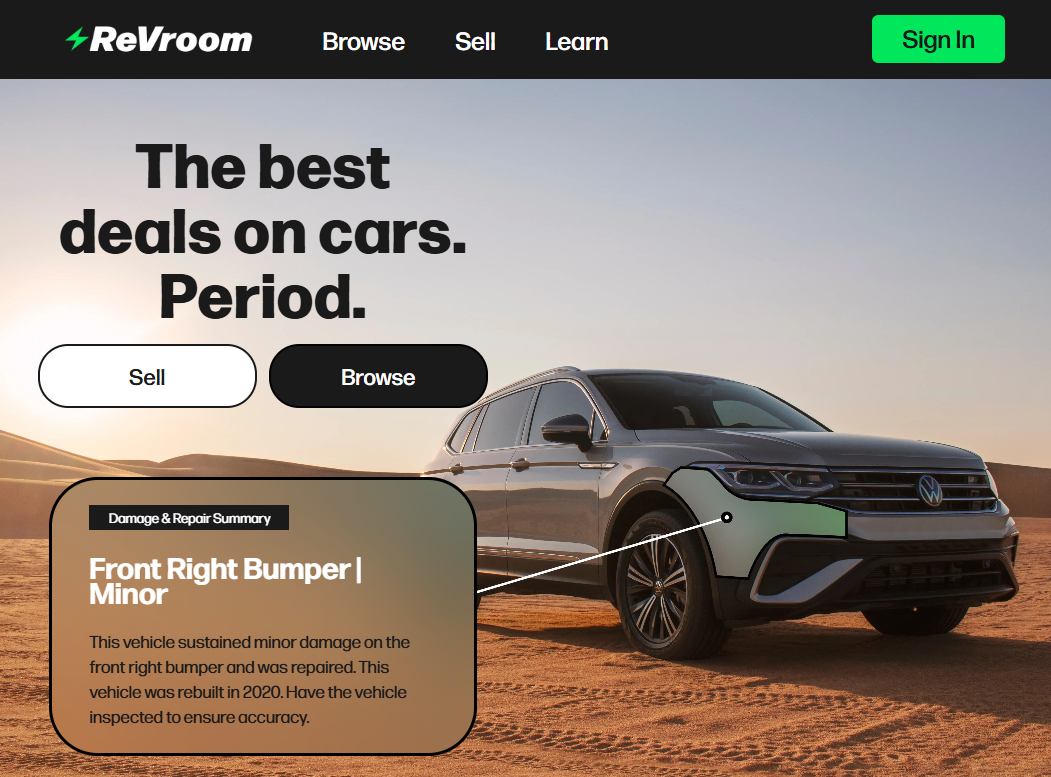
At ReVroom, we specialize exclusively in rebuilt title vehicles, offering you a marketplace built on transparency, trust, and clear vehicle histories. Say goodbye to costly background checks. Every listing includes documented repair history, title status, and photos showing what the car looked like before repairs so you see exactly what you’re buying. We empower you to make informed decisions with confidence and help you avoid unexpected pitfalls. Whether you are a savvy Utah parent or a first-time buyer, explore a wide selection of vehicles priced up to 50% below comparable clean title cars at ReVroom. Take control of your vehicle search today and experience how your car and your dollar can truly go further.
Discover more about the rebuilt title process and how to shop smart by visiting ReVroom’s main site and learn why transparency is your best insurance against surprises. Ready to find your next reliable and fairly priced car? Start your search now on ReVroom and turn challenges into opportunities.
Frequently Asked Questions
What is a salvage title, and how does it affect car insurance?
A salvage title indicates that a vehicle has been deemed a total loss by an insurance company due to significant damage. This designation can lead to higher premiums and limited coverage options, so be prepared to discuss your vehicle’s history with insurers.
Is insurance more expensive for a salvage title?
A car that still holds a salvage title usually cannot be insured for road use at all. After it is rebuilt and passes state inspection, coverage is widely available, with full coverage commonly reported at roughly 10 to 20 percent above clean-title rates while liability often prices close to normal.
What insurance companies cover salvage titles?
Availability varies by state and by vehicle, so no blanket list is reliable. Most major carriers will quote a rebuilt (formerly salvage) vehicle case by case, and the practical approach is to request quotes on the specific VIN from at least three insurers and compare what each will actually write.
How can I find insurance companies that cover salvage title vehicles?
Not all insurance companies treat salvage titles the same way. Start by calling multiple insurers and specifically ask if they cover salvage titles and what their requirements are, so you can find one that suits your situation.
What documents do I need to gather before applying for insurance on a salvage title vehicle?
You will need several key documents, including the certified title, proof of ownership, repair documentation, and inspection reports. Compile these documents before you start contacting insurers to streamline the application process.
What types of insurance coverage should I consider for my salvage title vehicle?
Consider various coverage types, including liability, collision, comprehensive, and gap insurance. Discuss each option with your insurer to determine the best fit for your needs and your budget.
How can I lower my insurance premiums for a salvage title vehicle?
You can lower your premiums by shopping around for quotes from multiple insurers, maintaining a clean driving record, and considering higher deductibles. Take proactive steps now to compare rates and evaluate your current coverage options to potentially save a significant amount.
Why is it important to highlight repairs and upgrades when applying for insurance?
Highlighting repairs and upgrades demonstrates to insurers that your salvage title vehicle has been restored and is in good condition. Prepare a well-organized documentation package of all repairs and improvements to support your application and improve your chances of approval.
Recommended
- Can I Get Insurance on a Salvage Title? Step-by-Step Guide | ReVroom
- Can You Get Insurance on a Salvage Title: Step-by-Step Guide | ReVroom
- Can You Get Full Coverage on a Salvage Title? Step-by-Step Guide | ReVroom
- Can You Insure a Salvage Title? Step-by-Step Guide | ReVroom
- Cheapest Insurance for a Rebuilt Title: Insurers That Cover It | ReVroom
