


Compare Rebuilt vs Salvage Titles: What Shoppers Need to Know
December 23, 2025
salvage title vs rebuilt title →
Over one million American drivers each year face the decision of purchasing a vehicle with a rebuilt title. For anyone navigating the used car market, the prospect of owning a rebuilt title can seem confusing and even risky. Understanding what sets these vehicles apart helps shoppers make better choices, avoid common pitfalls, and potentially save thousands without compromising on safety or reliability.
Table of Contents
- What Is a Rebuilt Title Vehicle?
- Common Misconceptions About Vehicle Titles
- How Rebuilt and Salvage Titles Differ
- Legal and Safety Standards for Rebuilt Vehicles
- Financial Impacts and Resale Value Considerations
- Avoiding Pitfalls When Shopping for Rebuilt Titles
Key Takeaways
| Point | Details |
|---|---|
| Understanding Rebuilt Titles | A rebuilt title indicates a vehicle has been repaired and restored to roadworthy condition following significant damage. Buyers should conduct thorough inspections and research its history before purchase. |
| Misconceptions of Safety | Rebuilt title vehicles are often unjustly viewed as unsafe; rigorous inspections ensure they can be as reliable as clean-title vehicles. Buyers should not base decisions solely on title type. |
| Financial Considerations | Rebuilt titles typically depreciate more significantly and may come with higher insurance premiums, but they can provide more affordable options for budget-conscious buyers. |
| Salvage vs. Rebuilt Titles | Salvage titles indicate a vehicle cannot be driven legally; rebuilt titles indicate a restored, inspected vehicle ready for the road. Understanding this distinction is crucial for potential buyers. |
What Is a Rebuilt Title Vehicle?
A rebuilt title represents a vehicle that has experienced significant damage in its past but has been professionally repaired and restored to roadworthy condition. According to Experian’s automotive experts, a rebuilt title is officially issued to a vehicle that was previously declared a total loss by an insurance company and has subsequently undergone necessary repairs and passed rigorous safety inspections.
Unlike a standard used car, a rebuilt title vehicle has a unique history that sets it apart from typical market offerings. These vehicles typically result from scenarios like severe accidents, natural disaster damage, or theft recovery where the insurance company determined the original repair costs would exceed the car’s market value. After comprehensive repairs that restore the vehicle to legal driving standards, the car receives a rebuilt title, signaling its transformation from a potential write-off to a functional automobile.
The process of obtaining a rebuilt title involves several critical steps. First, the vehicle must be extensively repaired to meet state safety standards. Then, it undergoes a thorough inspection by authorized mechanics who verify that all critical systems function properly. This detailed process of car retitling ensures that only vehicles meeting strict safety criteria receive their rebuilt designation. Importantly, while these cars have experienced significant events in their past, they represent an opportunity for budget-conscious buyers to access reliable transportation at substantially reduced prices.
Pro Tip - Vehicle History Research: Always request and thoroughly review the complete vehicle history report before purchasing a rebuilt title car, paying close attention to the extent and quality of previous repairs and the specific nature of the vehicle’s initial damage.
Common Misconceptions About Vehicle Titles
Vehicle titles carry significant complexity, and numerous misconceptions can mislead potential buyers. One prevalent myth is that rebuilt title vehicles are inherently unsafe or unreliable, when in reality, proper repair and rigorous inspection can result in vehicles just as dependable as clean-title counterparts.
Many buyers mistakenly believe that a rebuilt title automatically means extensive damage or catastrophic vehicle history. In truth, rebuilt titles encompass a wide range of scenarios - from minor hail damage to more significant incidents. Not every rebuilt title represents a severely compromised vehicle. Some cars receive this designation after relatively minor repairs that do not compromise structural integrity or long-term performance. Exploring the myths surrounding rebuilt titles reveals that blanket assumptions about these vehicles can lead buyers to overlook potentially excellent transportation options.
Another critical misconception involves insurance and financing. While some people believe rebuilt title vehicles are impossible to insure or finance, many insurance companies and lenders are willing to work with these vehicles, especially when comprehensive repair documentation is available. The key is understanding that each rebuilt title represents a unique situation, and blanket generalizations rarely tell the complete story. Buyers should approach these vehicles with careful research, professional inspections, and an open mind about their potential value.
Pro Tip - Informed Investigation: Always obtain a comprehensive vehicle history report and have an independent mechanic perform a thorough inspection before purchasing any rebuilt title vehicle, focusing on the quality and extent of previous repairs.
How Rebuilt and Salvage Titles Differ
The primary distinction between salvage and rebuilt titles lies in their legal status and roadworthiness. According to vehicle title experts, a salvage title indicates a vehicle has been declared a total loss by an insurance company due to significant damage, rendering it illegal to operate on public roads. In stark contrast, a rebuilt title signifies that a previously salvaged vehicle has undergone comprehensive repairs and successfully passed rigorous safety inspections, making it legally drivable again.
The journey from salvage to rebuilt status involves multiple critical steps that transform a potentially discarded vehicle. When an insurance company determines repair costs exceed the car’s market value, it receives a salvage title - essentially marking the vehicle as unfit for road use. Exploring the intricate process of vehicle title restoration reveals that not all salvage vehicles qualify for rebuilding. Strict state regulations mandate comprehensive inspections, requiring detailed documentation of repairs, replacement parts, and verification that the vehicle meets all safety standards before receiving a rebuilt title.
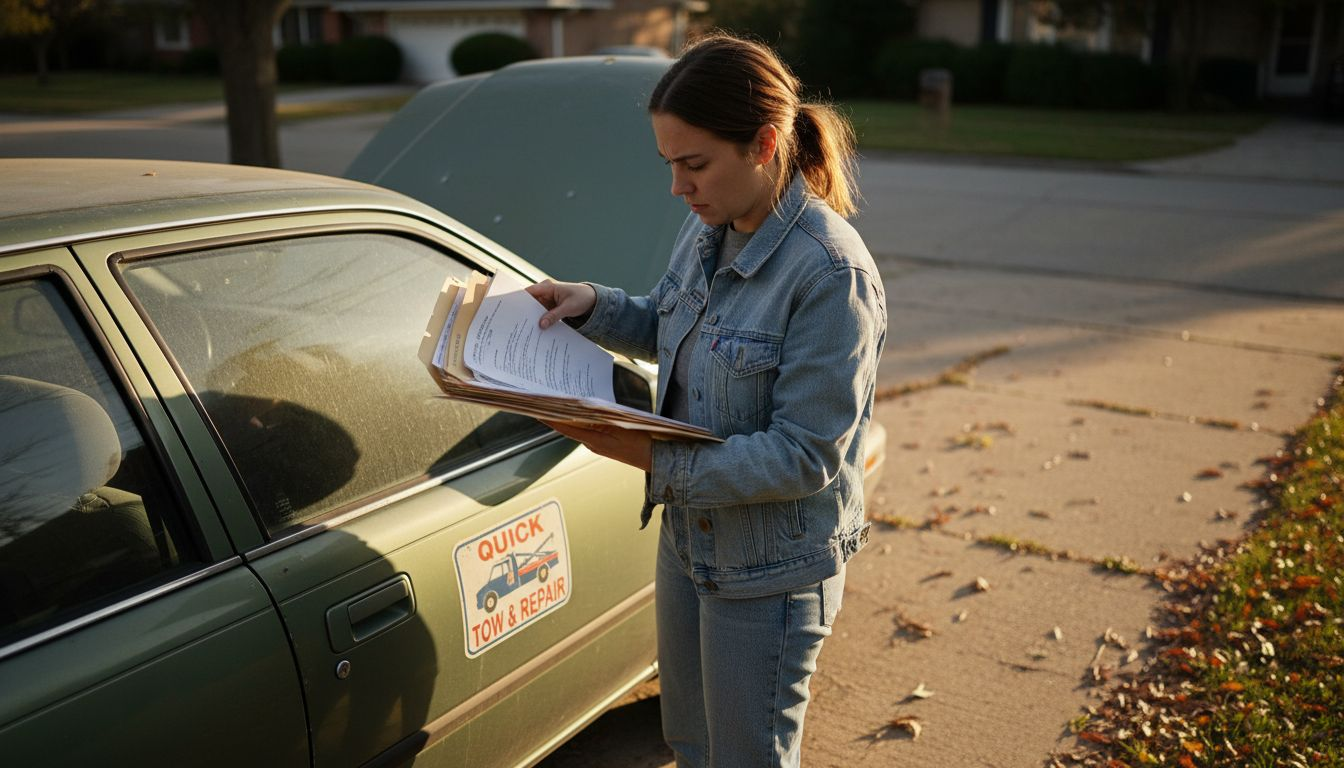
Financial and practical implications further differentiate these titles. Salvage title vehicles cannot be legally driven, registered, or insured, essentially rendering them immobile assets. Rebuilt titles, however, represent vehicles that have been professionally restored and certified for road use. This transformation significantly impacts the vehicle’s market value, insurance options, and potential resale opportunities. Buyers should understand that while rebuilt titles offer more accessibility, they still carry a history of substantial damage that can influence future maintenance expectations and potential insurance coverage.
Here’s a comparison of salvage and rebuilt titles to clarify their key differences:
| Attribute | Salvage Title | Rebuilt Title |
|---|---|---|
| Road Legality | Illegal to drive on public roads | Legal to drive after inspection |
| Insurance Availability | Not insurable by most providers | Insurable with documentation |
| Market Value | Very low, often sold for parts | Reduced, but higher than salvage |
| Resale Potential | Hard to sell, limited buyers | Easier to resell than salvage |
| Requirements for Conversion | Must be repaired and pass inspection | Must maintain repair records |

Pro Tip - Comprehensive Verification: Always request and thoroughly examine the complete repair documentation and inspection records when considering a rebuilt title vehicle, paying special attention to the extent and quality of original damage and subsequent repairs.
Legal and Safety Standards for Rebuilt Vehicles
Rebuilt vehicles are subject to extensive legal and safety regulations designed to protect consumers and ensure roadworthiness. Jurisdictional authorities mandate comprehensive structural integrity and mechanical safety inspections before a vehicle can receive a rebuilt title, creating a rigorous process that goes far beyond typical used car evaluations. These inspections involve detailed examination of critical components, including frame alignment, suspension systems, electrical systems, and overall vehicle structural integrity.
The legal standards for rebuilt vehicles vary significantly by state, but most jurisdictions require a systematic approach to vehicle restoration. Owners must provide comprehensive documentation detailing the extent of original damage, specific repairs performed, and all replacement parts used. Exploring safe rebuilt vehicle purchasing strategies reveals that professional mechanics must conduct thorough assessments, often involving multi-point inspections that evaluate everything from mechanical functionality to potential hidden structural weaknesses. Each rebuilt vehicle must demonstrate it meets or exceeds the same safety standards applied to standard used vehicles.
Financial and regulatory implications accompany these safety standards. Insurance companies and state departments of motor vehicles require extensive proof of repair quality before allowing a rebuilt title vehicle on public roads. This typically involves submitting detailed repair records, photographs documenting the restoration process, and professional certification that the vehicle meets all necessary safety requirements. The goal is not just legal compliance but ensuring that rebuilt vehicles represent genuine transportation solutions that protect driver and passenger safety.
Pro Tip - Verification Process: Always request a comprehensive inspection report and original repair documentation when considering a rebuilt title vehicle, and consider hiring an independent mechanic to conduct an additional third-party assessment of the vehicle’s condition.
Financial Impacts and Resale Value Considerations
Rebuilt title vehicles introduce unique financial dynamics that potential buyers must carefully evaluate. According to automotive financial experts, these vehicles typically experience significant depreciation, with resale values plummeting 20-40% compared to similar clean-title vehicles. This substantial value reduction stems from the vehicle’s documented history of major damage and subsequent restoration, which inherently raises questions about long-term reliability and structural integrity.
Insurance and financing represent additional financial complexities for rebuilt title vehicles. Many insurance providers approach these cars with increased caution, potentially offering more limited coverage or higher premium rates. Investigating the economic landscape of rebuilt title vehicles reveals that while financing is possible, buyers often encounter more stringent requirements. Some lenders may require additional documentation, conduct more extensive vehicle assessments, or offer less favorable loan terms compared to clean-title vehicle transactions.
The financial considerations extend beyond immediate purchase and insurance costs. Potential future maintenance expenses and potential resale challenges must factor into a buyer’s decision-making process. Rebuilt title vehicles can represent significant cost savings during initial purchase - often 50% less than comparable clean-title models - but buyers must carefully weigh potential long-term financial implications. The reduced market value means slower depreciation in absolute dollar terms, but also potentially more difficult selling experiences and lower trade-in values when owners decide to replace the vehicle.
Here is a summary of common financial impacts when purchasing a rebuilt title vehicle:
| Financial Aspect | Rebuilt Title Vehicle | Clean Title Vehicle |
|---|---|---|
| Purchase Price | Typically 50% lower | Full market value |
| Depreciation Rate | Slower in dollar terms | Standard depreciation |
| Insurance Options | Limited or higher premiums | Broad coverage, standard rates |
| Financing Availability | Stricter requirements | Easier, more lenders available |
| Resale Challenges | More difficult, lower offers | Easier, higher trade-in values |
Pro Tip - Financial Due Diligence: Obtain comprehensive repair documentation, have an independent mechanic inspect the vehicle, and calculate potential long-term ownership costs before committing to a rebuilt title purchase to ensure the financial benefits outweigh potential risks.
Avoiding Pitfalls When Shopping for Rebuilt Titles
Navigating the complex landscape of rebuilt title vehicles requires a strategic and meticulous approach to avoid potential financial and mechanical pitfalls. Understanding the vehicle’s complete history is paramount, as rebuilt titles can mask significant past damage that might compromise long-term reliability. Potential buyers must look beyond the surface appeal of lower prices and conduct thorough investigations into the vehicle’s restoration process, damage extent, and quality of repairs.
Critical red flags demand careful scrutiny during the purchasing process. Identifying potential risks in rebuilt title vehicles involves examining several key indicators: inconsistent or incomplete repair documentation, signs of previous structural damage, uneven panel alignments, suspicious welding marks, or areas with mismatched paint that could signal hasty or incomplete restoration. Professional mechanics can provide invaluable insights through comprehensive pre-purchase inspections, helping buyers distinguish between well-restored vehicles and potentially problematic reconstructions.
Beyond visual and mechanical assessments, buyers must consider broader implications. Insurance companies and financial institutions often approach rebuilt title vehicles with heightened caution, potentially requiring additional documentation or offering more restrictive coverage. Some insurers may limit comprehensive coverage or charge higher premiums, while certain lenders might impose stricter loan conditions. This complex landscape requires buyers to not only evaluate the vehicle’s immediate condition but also anticipate potential long-term financial and practical challenges associated with owning a rebuilt title vehicle.
Pro Tip - Comprehensive Verification: Always request and thoroughly review complete repair records, obtain a detailed vehicle history report, and invest in a professional independent inspection before finalizing any rebuilt title vehicle purchase.
Discover a Smarter Way to Buy Rebuilt Title Vehicles with ReVroom
Navigating the differences between rebuilt and salvage titles can feel overwhelming when you want a reliable vehicle at a great price. This article highlights the importance of transparency, inspection, and understanding legal distinctions—challenges many shoppers face today. If you want to go further by skipping costly investigations and instantly accessing detailed vehicle history including accident photos and prior condition, ReVroom is built exactly for you.
Why settle for uncertainty when you can shop with clarity and confidence? ReVroom is the only online marketplace dedicated exclusively to rebuilt title vehicles, helping buyers find well-vetted options without hidden surprises. We do not offer salvage title cars because they are fundamentally different from rebuilt vehicles. Our platform brings honesty and transparency to the forefront, so you can focus on the value these cars offer: prices up to 50 percent lower than clean title vehicles and the chance to start fresh on a new road.

Ready to explore the next chapter in your vehicle journey? Visit ReVroom now and dive into a safe, transparent, and fair shopping experience that makes the complex simple. Learn more about how our marketplace elevates rebuilt title purchases by checking out our mission and discover expert tips on buying rebuilt title vehicles. Don’t wait—your smarter, more affordable car choice awaits.
Frequently Asked Questions
What is the difference between a rebuilt title and a salvage title?
A rebuilt title indicates that a vehicle has been repaired and passed safety inspections, making it legal to drive, while a salvage title means the vehicle was deemed a total loss by an insurance company and cannot be legally driven until repaired and retitled.
Are rebuilt title vehicles safe to drive?
Yes, rebuilt title vehicles can be safe to drive, as they have undergone extensive repairs and passed rigorous inspections to meet safety standards. However, it’s essential to verify the quality of repairs through documentation and vehicle history reports.
Can I get insurance for a rebuilt title vehicle?
Yes, many insurance companies offer coverage for rebuilt title vehicles, but the availability and type of coverage may differ based on the policy and documentation provided. It’s important to check with your insurer for specific terms.
What should I do before purchasing a rebuilt title vehicle?
Before buying a rebuilt title vehicle, request a comprehensive vehicle history report, review repair documentation, and consider having an independent mechanic conduct a thorough inspection to ensure the vehicle has been properly restored.
