


Utah Rebuilt Title Cost (2026): The $6 Title Fee, the Inspections and Forms, How Utah Compares to Other States, and What the Car Is Worth After
September 20, 2026
Short answer: the state's part of a Utah rebuilt title is cheap. The DMV's Summary of Common Fees lists a new title at $6.00, registration is whatever its online fee estimator returns for your vehicle, and the safety inspection and any emissions test are paid to a licensed station at the station's price. The forms are TC-569A, TC-656, and, if a VIN has to be assigned or verified, TC-162 and TC-661, all as published on the DMV's rebuilt vehicle page. The expensive part is the car: the repairs, the parts, and the receipts you have to keep for every one of them. That is also why a finished rebuilt title car sells 20% to 50% below the same car with a clean title, and why the person who pays for the rebuild, usually a rebuilder or the owner who kept a totaled car, wants to know where the finished car sells for the most. This guide covers the fees Utah actually publishes, the steps in order, what the car is worth after, and where Utah rebuilders sell.
Key takeaways
- Utah's new-title fee is $6.00, as published on the DMV's Summary of Common Fees (updated July 2026). Registration is set by vehicle through the DMV fee estimator.
- The safety inspection, the emissions test where your county requires one, and the VIN inspection on Form TC-661 are paid at the station; the DMV does not publish a single statewide rebuilt inspection fee.
- The forms, as published: TC-569A Ownership Statement, TC-656 Application for Utah Title, TC-162 for a Utah-assigned VIN, TC-661 Certificate of Inspection, plus donor titles, original receipts, and photos of the interior and all sides.
- A salvage vehicle's Utah title says "Salvage"; after the rebuild it says "rebuilt/restored", and the brand never comes off.
- Across 17,000+ rebuilt title sales ReVroom tracks, buyers saved a median of $4,590 per vehicle; 87% of the cars carried only minor or moderate documented history.
- Utah rebuilders sell the finished car wholesale on RPM (free for rebuilders), through a free ReVroom dealer storefront, or as a $5 private-party listing.
Utah rebuilt title at a glance
Short answer: a Utah rebuilt title is a salvage vehicle that has been repaired, inspected, and retitled with the brand "rebuilt/restored". It costs $6.00 in state title fees as published, plus registration, station-priced inspections, and the repairs.
- Brand on the title: "rebuilt/restored" (Utah Code 41-1a-1004), and it never comes off.
- Forms, as published by the DMV: TC-569A Ownership Statement and TC-656 Application for Utah Title; TC-162 and TC-661 when a VIN has to be assigned or inspected.
- Proof: original receipts for parts, donor titles for essential parts, and photos of the interior and all sides.
- Inspections: safety inspection, plus emissions where your county requires it, paid at the station.
- State fee: new title $6.00 on the DMV's Summary of Common Fees; registration by vehicle through the DMV fee estimator.
- Disclosure at resale: TC-814 for dealers; the Utah Code 41-1a-1005.3 statement for private sellers.
- Selling the finished car: RPM (free for rebuilders, as published), a free dealer storefront, or a $5 private listing.
What is a rebuilt title vehicle in Utah?
Short answer: a salvage vehicle that has been repaired and restored to operation, in the DMV's own words. Utah Code 41-1a-1001 defines a salvage vehicle as one damaged by collision, flood, or other occurrence to the extent that the cost of repairing it for safe operation exceeds its fair market value, or one that an insurer or another state has declared salvage. A salvage vehicle's Utah title states "Salvage". Once it has been rebuilt, the title says "rebuilt/restored"; the statute (41-1a-1004) spells the brand out as "rebuilt and restored to operation" or "in a flood and restored to operation". The brand is permanent: the DMV's FAQ answers "can a salvage vehicle that has already been repaired have the brand removed?" with a flat no.
The total loss that starts the process comes from a collision, hail, a flood, a fire, vandalism, or a theft recovery, and the paperwork is the same for all of them. What differs is what the car is worth afterward, which is why ReVroom grades every car's history by severity rather than treating the brand as the whole story. Of the rebuilt title vehicles with documented history in ReVroom's Market Snapshot, 87% carried only minor or moderate history; collision made up 81.9%, hail 10.4%, and vandalism 3.4%.
| Utah title | What it means | Can it be registered? | Typical price vs clean title |
|---|---|---|---|
| Clean title | No brand | Yes | Full market |
| Salvage certificate | An insurer or the state declared the car salvage; not valid for registration (41-1a-1001) | No | Well below rebuilt; repairs still to come |
| Title branded rebuilt/restored | The salvage vehicle was repaired, inspected, and retitled | Yes | 20% to 50% below (median $4,590 saved in ReVroom's data) |
Steps to obtain a rebuilt title in Utah
Short answer: salvage certificate first, then repairs with receipts, then the forms, the inspections, and the $6 title. The sequence below follows Utah Code 41-1a-1005 and the DMV's rebuilt vehicle page as read in September 2026; confirm current requirements with the DMV before you file.
| Step | What happens | What gets filed | Cost (as published) |
|---|---|---|---|
| 1. Salvage certificate | The owner or insurer obtains a salvage certificate. Utah Code 41-1a-1005 makes failing to obtain one, or selling a salvage vehicle without one, a class B misdemeanor; vehicles with an undamaged wholesale value of $2,000 or less are exempt. | Salvage certificate application | Title fee |
| 2. Repairs, receipt by receipt | The car is repaired. The DMV wants the original bills of sale and original receipts for the parts used, and the titles to any vehicles that donated essential parts (the frame and body count). | Original receipts; donor titles | The repairs and parts: the real cost |
| 3. Photographs | Pictures that clearly show the condition of the interior and all sides of the exterior. | Photos | None |
| 4. Ownership statement and title application | Form TC-569A Ownership Statement explains how the essential parts were acquired, how the vehicle was constructed, and the completion date; Form TC-656 is the Application for Utah Title. | TC-569A, TC-656 | New title $6.00 |
| 5. VIN assignment and inspection, where needed | If a Utah VIN must be assigned, Form TC-162 applies for it, and the VIN is inspected on Form TC-661 Certificate of Inspection by a DMV employee, designated contractor, Utah peace officer or designated enforcement agency employee, licensed dealer, or certified safety inspector. | TC-162, TC-661 | Set by the inspecting party |
| 6. Safety and emissions inspections | The DMV lists a safety inspection, and an emissions inspection if applicable in your county, among the requirements. | Inspection certificates | Station price |
| 7. Title and registration | The DMV issues the title branded rebuilt/restored and registers the car. From here it is driven, insured, and sold like any other car, with the brand disclosed at every sale. | Title and registration | Registration per the DMV fee estimator |
Utah's disclosure rules apply from the first resale: a dealer gives written notice on form TC-814 before negotiating, and a private seller uses the disclosure statement in Utah Code 41-1a-1005.3. Our Utah rebuilt title legal requirements guide has the dealer side in full.
Inspection fees and state processing costs
Short answer: $6.00 for the title, registration by vehicle, and station-priced inspections. Earlier versions of this guide quoted dollar ranges for the inspections and a total; the DMV does not publish them, so this table only carries what the state's own pages say.
| Cost | Amount | Source |
|---|---|---|
| New title | $6.00 | DMV Summary of Common Fees, as published |
| Registration | By vehicle; use the DMV's Fee Estimator on the Motor Vehicle Portal | DMV Summary of Common Fees |
| Standard temporary permit, if you need to move the car | $6.00 (96-hour permit $2.50) | DMV Summary of Common Fees, as published |
| Safety inspection | Priced by the licensed inspection station | DMV rebuilt vehicle page lists the inspection; no statewide fee published |
| Emissions test | Priced by the station; required in some counties only | DMV rebuilt vehicle page |
| VIN inspection (TC-661) | Set by the inspecting party | DMV rebuilt vehicle page |
| Repairs and parts | The real cost; keep every original receipt | Required for the application |
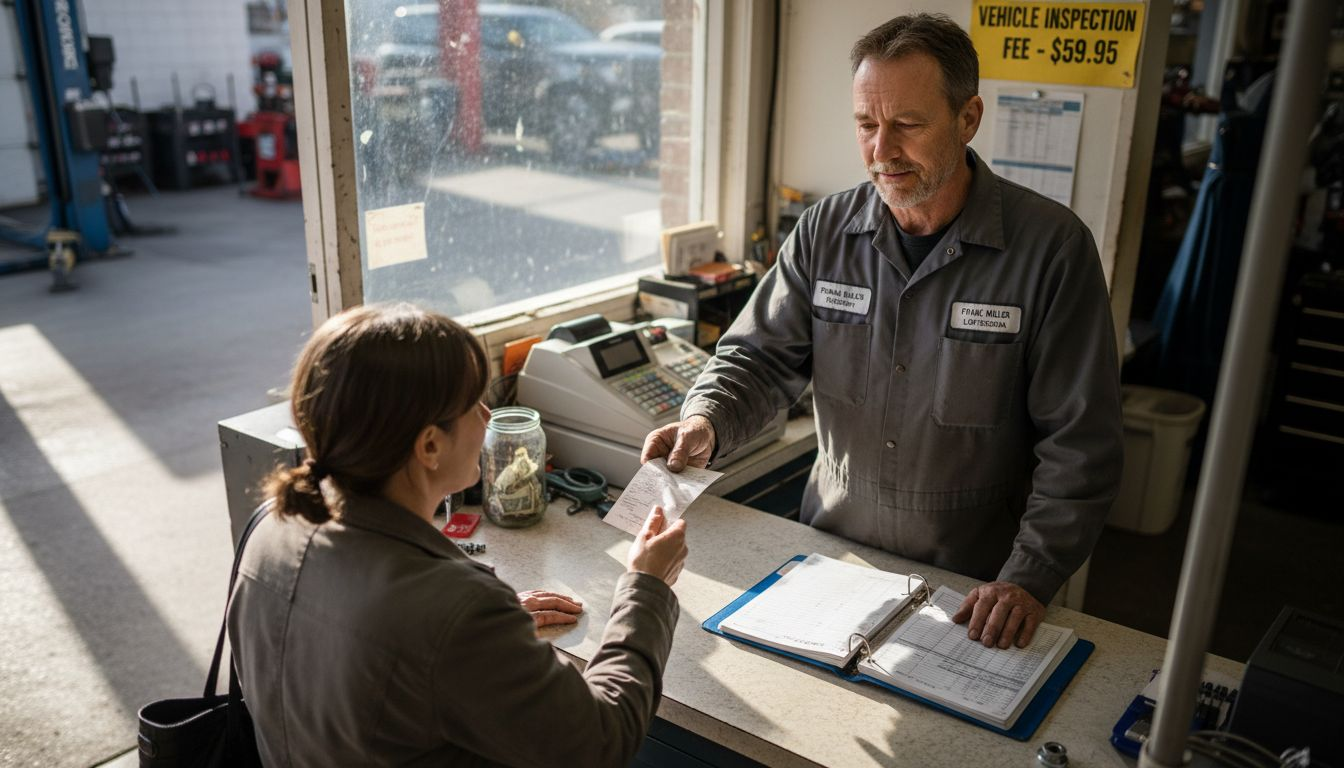
For a national view of what the paperwork costs state by state, our guide to how much it costs to get a rebuilt title puts Utah beside California, New York, and Missouri.
How does the cost of a rebuilt title in Utah compare to other states?
Short answer: Utah's state fees are among the lightest you will find. The title is $6.00 and the inspections are priced by the station, while some states charge a set fee just for the salvage inspection. Either way, the paperwork is pocket change next to the parts and labor.
It is a bit like building permits. One town charges a flat fee, another charges by the inspection, but the lumber is what you actually pay for. Here is what each state publishes, read from the official pages:
| State | What the state charges, as published | Key form or step | Brand on the new title |
|---|---|---|---|
| Utah | $6.00 title; safety inspection, emissions where required, and any VIN inspection priced by the inspecting party | TC-569A ownership statement, TC-656 title application, TC-661 VIN inspection where needed | "rebuilt/restored" |
| Michigan | Salvage vehicle inspection "up to $100"; $15 title application fee | TR-13A completed with a licensed mechanic, then inspection by a certified salvage vehicle inspector and TR-13B | "REBUILT SALVAGE" |
| Florida | $40 rebuilt inspection; $20 per re-inspection | Form HSMV 84490 and a rebuilt inspection | Rebuilt |
| New York | $200 or $205 salvage examination fee | Salvage examination before a new title | "REBUILT SALVAGE" |
Utah, Michigan and Florida amounts were read from each state's own pages and forms; New York's from its DMV pages on October 3, 2026. Fees change, so confirm with the state before you file. Our rebuilt title inspection guide covers what inspectors look at in each state.
What is the car worth once it has a rebuilt title in Utah?
Short answer: typically 20% to 50% less than the clean-title version of the same car, and the newer the car, the bigger the dollar gap. Across the 17,000+ rebuilt title vehicles ReVroom has tracked, the median sold price was $17,499, the median saving $4,590, and about one in three sold for 25% or more below clean-title market value. For the person paying for the rebuild, that gap is the number to plan around: it is the discount the retail buyer will expect, and it is roughly what a clean-title lot will refuse to pay in trade.
| Model year | Median saved vs clean title | Vehicles sold |
|---|---|---|
| 2015 | $2,034 | 430 |
| 2017 | $2,681 | 789 |
| 2019 | $4,106 | 1,147 |
| 2021 | $5,617 | 1,291 |
| 2023 | $6,537 | 1,256 |
| 2025 | $7,159 | 517 |
Source: ReVroom Market Snapshot, updated October 1, 2026. Hail cars, which are cosmetic by nature, are among the biggest savers at $4,090 or more below market, and trucks and SUVs from Ram, GMC, and Chevrolet post some of the largest dollar savings by make. Our rebuilt title value guide goes deeper on the pricing.
Which cars are worth rebuilding in Utah? The rebuilder's model-year math
Short answer: work backward from the finished car's sale price. The $6 title is a rounding error; the repair bill is the whole game, and it has to fit under what a rebuilt title buyer will pay. It is the same math a house flipper does: start from what the house sells for, not from what the kitchen costs.
The finished car sells below its clean-title twin by an amount that grows with how new it is. From ReVroom's live market snapshot (updated October 1, 2026):
| Model year | Median buyer saving vs clean-title value | What it means for your repair budget |
|---|---|---|
| 2024 | $7,023 | Biggest dollar discount at retail; the car still has the most value to protect, so buy the salvage car low enough to leave room |
| 2022 | $5,966 | The sweet spot for many rebuilders: strong retail demand, predictable parts |
| 2020 | $4,870 | The median car sold; the market's comfort zone |
| 2018 | $3,283 | Smaller discount, but a lower clean value leaves less room for a big repair |
| 2016 | $2,054 | Works for light, cosmetic repairs; a heavy repair rarely pencils out |
A simple rule for your worksheet: expected sale price, minus the salvage purchase price, minus parts and labor, minus the small Utah fees and inspections, minus holding time, has to leave a margin you are happy with. The history mix helps too. In the snapshot, 87% of cars sold carried only a minor or moderate grade, and hail cars, cosmetic by nature, sold typically $4,090 or more below market. Lighter repairs are faster through inspection and easier to sell.
Once the title is issued, list the finished car on RPM: free for rebuilders, and every offer has to beat the last, as published.
Does the Utah rebuilt brand ever come off, even if the car moves states?
Short answer: no. Utah's DMV says brands are not allowed to be removed once the vehicle has been branded, and a title already branded by another state is not eligible to have the brand removed in Utah either.
For a rebuilder that is a pricing fact, not a problem. The brand is why the car sells below clean value, and it is also why buyers trust the price: the history is part of the deal from the first listing. Price the build so the finished car still leaves room at the model-year medians above, keep every receipt and the before-repair photos, and the brand becomes something you disclose once and stop worrying about. If you sell finished cars to dealers, RPM is free for rebuilders, as published, with no credit card required to list.
Where do Utah rebuilders sell once the rebuilt title is issued?
Short answer: three routes, and the right one depends on whether you want retail money or a fast wholesale exit.
| Route | Who it suits | Cost (as published) | How it works |
|---|---|---|---|
| RPM, the ReVroom Private Market | Rebuilders who want to sell finished cars to retail dealerships without running a lot | Free for rebuilders; no credit card required to list or sell | Create the listing with your asking price, VIN, and images of the vehicle before repairs were completed; buyers make offers day and night and each one must beat the last; accept the offer you like and arrange shipping, document transfer, and payment with the buyer |
| ReVroom dealer storefront | A licensed Utah lot that retails rebuilt titles | Free; unlimited listings; no per-listing fees | Complete onboarding with the business address, phone, and fee disclosure; the storefront appears on the Utah dealer page with the Verified Seller badge (five Utah dealers are listed as of October 4, 2026: Nation Auto Group in Lindon, Discover Auto Group in Draper, Momentum Motors in Spanish Fork, Sencion Performance Auto Sales in Pleasant Grove, and Summit Auto Sales in Orem) |
| Private-party listing on ReVroom | An owner selling one rebuilt car | $5 per listing | Enter the VIN, add photos and the repairs that were done, and buyers contact you directly |
Whichever route you take, the file you assembled for the DMV, the receipts, the photos, and the inspection paperwork, is what sells the car. A buyer who can see what was repaired pays closer to the top of the range; a car with nothing but a title sells near the bottom. Read what an auto rebuilder does and how rebuilders sell for the business side in full.

Can you insure and finance a rebuilt title car in Utah?
Short answer: yes to both. Liability coverage is available everywhere, and most major insurers write full coverage on a rebuilt title as reported by their policyholders; a few ask for photos first, and the spread between carriers is wider than on a clean title, so get three quotes. Our guide to which insurance companies cover rebuilt title cars has the carrier detail. On the lending side, banks and credit unions both finance rebuilt titles; ReVroom's financing page sends one application to a network of lenders and returns up to four offers, and ReVroom is not a lender. Maintenance costs depend on the quality of the repair, not on the brand, which is one more reason the receipts matter.
Frequently asked questions
How much does it cost to get a rebuilt title in Utah?
The state's part is small: Utah's DMV lists a new title at $6.00 on its Summary of Common Fees, and registration is calculated by its online fee estimator by vehicle. On top of that you pay a licensed station for the safety inspection and, where your county requires it, an emissions test, plus notary and any VIN-inspection charges. The real cost of a rebuilt title is the repairs and parts, which is why the finished car sells 20% to 50% below a clean title.
What forms do you need for a rebuilt title in Utah?
As published on the Utah DMV's reconstructed and rebuilt vehicle page: Form TC-569A Ownership Statement explaining how the essential parts were acquired and the vehicle was built, Form TC-656 Application for Utah Title, Form TC-162 if a Utah VIN must be assigned, and Form TC-661 Certificate of Inspection for the VIN check, along with the titles to any donor vehicles, original bills of sale and receipts for parts, and photos of the interior and all sides of the exterior.
Does Utah require an inspection for a rebuilt title?
Yes. The DMV's rebuilt vehicle page lists a safety inspection, and an emissions inspection where applicable, among the requirements, and a Form TC-661 Certificate of Inspection completed by a DMV employee, designated contractor, Utah peace officer or designated enforcement agency employee, licensed dealer, or certified safety inspector when a VIN is verified or assigned.
What does a Utah rebuilt title say?
A salvage vehicle's Utah title states "Salvage"; once the vehicle has been rebuilt, the title says "rebuilt/restored". Utah Code 41-1a-1004 spells the brand out as "rebuilt and restored to operation" or "in a flood and restored to operation". The brand is permanent and Utah does not remove it, even after repair.
What is a rebuilt title car worth in Utah?
Typically 20% to 50% less than the same car with a clean title. Across the 17,000+ rebuilt title sales ReVroom tracks nationally, buyers saved a median of $4,590 per vehicle on a median sold price of $17,499, and the savings grow with the model year, from about $2,034 on a 2015 to $7,159 on a 2025.
Where do Utah rebuilders sell cars once the rebuilt title is issued?
Three routes: wholesale to retail dealers through RPM, the ReVroom Private Market, which is free for rebuilders with no credit card required; a free dealer storefront on ReVroom for a licensed lot; or a private-party listing on ReVroom for $5. Utah's verified rebuilt title dealership on ReVroom is Discover Auto Group in Draper.
How do you get a rebuilt title in Utah?
Get the salvage certificate, repair the car and keep every original receipt and donor title, photograph the interior and all sides, file Form TC-569A and Form TC-656 (plus TC-162 and TC-661 if a VIN must be assigned or inspected), pass the safety inspection and emissions test where your county requires it, and pay the $6.00 title fee and registration, as published by the Utah DMV.
Is it worth rebuilding a salvage car to sell in Utah?
It can be when the numbers work backward from the sale price. The finished car sells below its clean-title twin: ReVroom's September 2026 snapshot shows a median buyer saving of $6,097 on a 2022 model year and $2,127 on a 2016. The repair bill plus the salvage price has to fit under that, with room for your margin. Rebuilders can sell the finished car on RPM, free for rebuilders as published.
Is a rebuilt title cheaper to get in Utah than in other states?
On state fees, usually. Utah charges $6.00 for the title and leaves inspection pricing to the station, while Michigan publishes a salvage inspection fee of up to $100 plus a $15 title application fee, Florida $40 for a rebuilt inspection, and New York $200 or $205 for a salvage examination, as published. Parts and labor are the real cost in every state.
Can a Utah rebuilt brand be removed if I move the car to another state?
No. Utah does not remove brands, and the DMV says a title already branded by another state is not eligible to have the brand removed in Utah. Expect the brand to follow the car.
How do I get a salvage title in Utah?
An owner or insurer applies for a salvage certificate when a vehicle is declared salvage. Utah Code 41-1a-1005 makes selling a salvage vehicle without one a class B misdemeanor, with an exemption for cars worth $2,000 or less undamaged. The salvage certificate is not valid for registration; the car is driven again only after repair, inspection and a title branded rebuilt/restored.
Recommended
- How much does it cost to get a rebuilt title? Fees, repairs, paperwork, and what the car is worth after
- What is an auto rebuilder, and how do rebuilders sell rebuilt cars?
- Utah rebuilt title legal requirements for dealers
- What is a salvage title in Utah?
- Rebuilt title car registration in Utah
- How much does a rebuilt title affect a car's value?
