


Rebuilt Title Valuation Explained: Saving Smart in Utah
December 28, 2025
Most American families in Utah discover that rebuilt title vehicles can save them as much as 40 percent compared to clean title options. When every dollar matters, understanding the true value behind that low sticker price becomes critical. With myths and worries often clouding the rebuilt title market, this guide breaks down what rebuilt title valuation actually means, helping you spot the safest, most affordable cars without unexpected surprises in their history.
Table of Contents
- What Rebuilt Title Valuation Means
- Key Differences: Rebuilt Versus Clean Titles
- Utah Laws Governing Rebuilt Titles
- How Vehicle History Impacts Value
- Smart Ways to Assess Rebuilt Title Cars
- Costs, Benefits, and Common Buyer Mistakes
Key Takeaways
| Point | Details |
|---|---|
| Rebuilt Title Impact | A rebuilt title indicates a vehicle has undergone significant repairs after being declared a total loss, often leading to a 20-40% decrease in market value compared to clean title vehicles. |
| Valuation Factors | The valuation of rebuilt title vehicles depends on repair quality, vehicle history, and comprehensive documentation, making thorough inspections essential before purchase. |
| Insurance and Financing | Rebuilt title vehicles may face higher insurance premiums and restricted financing options, affecting overall ownership costs. |
| Importance of Documentation | Transparent and complete repair history significantly influences the potential resale value and buyer confidence in rebuilt title vehicles. |
What Rebuilt Title Valuation Means
Rebuilt title valuation represents a critical assessment of a vehicle’s market worth after it has been comprehensively repaired following significant damage. When an insurance company declares a vehicle a total loss, but the car is subsequently restored to roadworthy condition, it receives a rebuilt title - a designation that immediately impacts its financial value. Vehicle value can drop dramatically by 20-40% compared to similar clean title vehicles.
Understanding rebuilt title valuation involves recognizing multiple factors that influence pricing. These include the extent of prior damage, quality of repairs, vehicle age, make, model, and overall condition. Professional appraisers and automotive experts carefully evaluate these elements to determine a fair market value. Insurance companies and potential buyers scrutinize the vehicle’s history, repair documentation, and current mechanical integrity when establishing its worth.
The valuation process goes beyond simple numerical calculation. It requires a comprehensive review of the vehicle’s restoration, including professional inspection reports, repair receipts, and verification of safety standards. Potential buyers in Utah should understand that while rebuilt titles offer significant cost savings, they also come with inherent value considerations that differ from standard used vehicles. Transparency about the vehicle’s history and thorough documentation become crucial in determining its true market value.
Pro tip: When evaluating a rebuilt title vehicle, request and thoroughly review all repair documentation, and consider getting an independent professional inspection to validate the vehicle’s condition and value.
Key Differences: Rebuilt Versus Clean Titles
When comparing rebuilt and clean titles, the distinctions go far beyond a simple paperwork designation. A clean title indicates a vehicle with no significant prior damage or financial loss, essentially representing a car with an unblemished history. In contrast, a rebuilt title signals that the vehicle has undergone substantial repairs after being previously declared a total loss. Vehicle history plays a critical role in determining marketability and value.
The financial implications of these title differences are substantial. Clean title vehicles typically command higher resale values and encounter fewer obstacles in insurance and financing processes. Rebuilt title vehicles, while often more affordable upfront, come with inherent challenges. Potential buyers must carefully evaluate increased insurance premiums, potential financing difficulties, and the perceived risk associated with previously damaged vehicles. Insurance companies and lenders frequently apply more stringent requirements and scrutiny to rebuilt title vehicles.
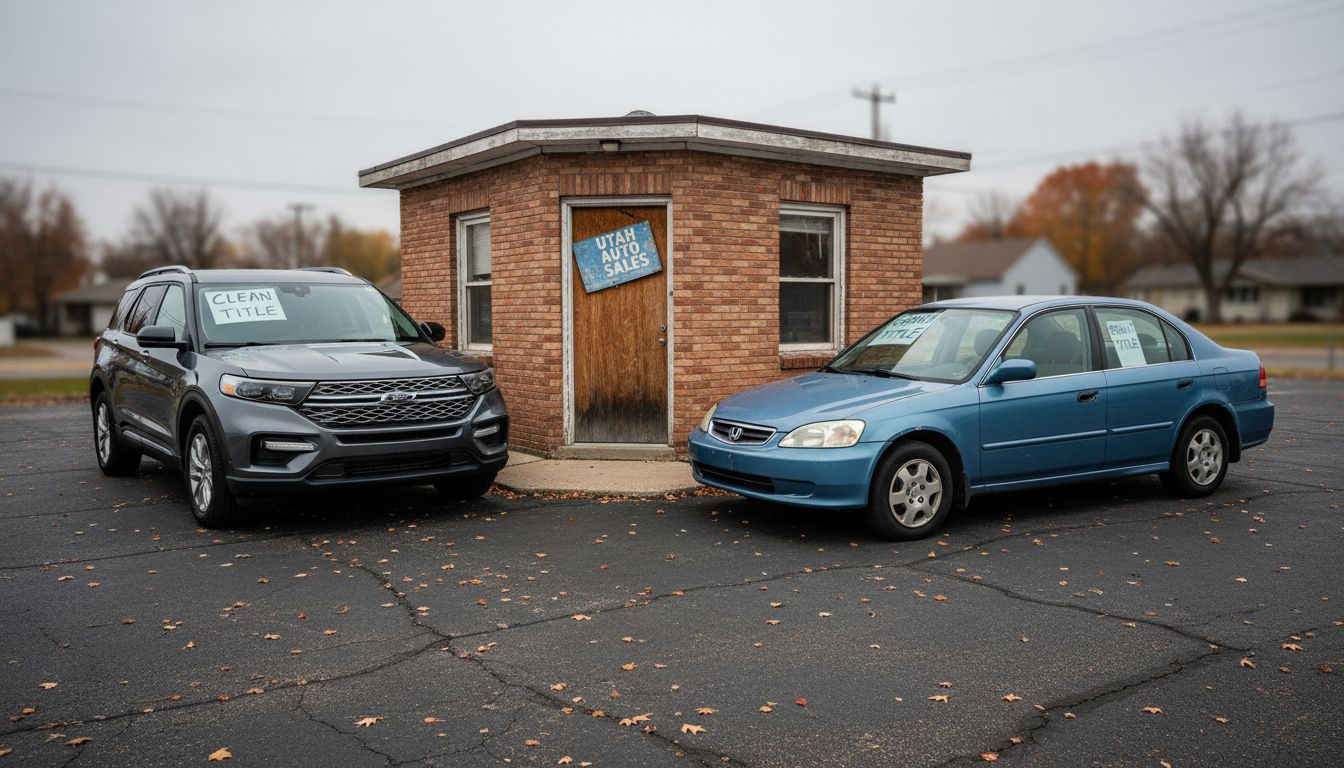
Understanding these differences requires a nuanced approach. While a rebuilt title doesn’t automatically mean an inferior vehicle, it does represent a different risk profile. Buyers should conduct thorough inspections, review comprehensive repair documentation, and potentially consult automotive professionals who can provide detailed assessments of the vehicle’s current condition and long-term reliability. The key is to look beyond the title designation and evaluate the specific vehicle’s actual condition and repair quality.
Pro tip: Always request a detailed vehicle history report and professional mechanical inspection before purchasing a rebuilt title vehicle to fully understand its condition and potential future maintenance requirements.
Here’s a comparison of rebuilt versus clean title vehicle ownership:
| Factor | Rebuilt Title Vehicle | Clean Title Vehicle |
|---|---|---|
| Purchase Price | 20-50% lower than clean title | Full market value |
| Insurance Availability | Limited, higher premiums | Full coverage, standard rates |
| Financing Options | Often restricted by lenders | Broad lender acceptance |
| Resale Value | Consistently reduced | Higher, more predictable |
| Required Inspections | State-mandated, extensive | Standard, less frequent |
Utah Laws Governing Rebuilt Titles
Utah has established comprehensive regulations to govern rebuilt titles, ensuring consumer protection and vehicle safety. The Utah Department of Motor Vehicles maintains strict protocols for transforming a salvaged vehicle into a legally drivable rebuilt title vehicle. Owners must navigate a detailed process that involves thorough documentation, professional inspections, and compliance with state-specific requirements.
The state’s rebuilt title process involves multiple critical steps. Vehicle owners must provide comprehensive repair documentation, proving that all significant damage has been professionally repaired. The Utah DMV requires a detailed Ownership Statement and mandates a professional inspection to verify the vehicle meets safety and operational standards. This rigorous process ensures that rebuilt title vehicles are not simply cosmetically repaired but are genuinely roadworthy and safe for public use.
One of the most important aspects of Utah’s rebuilt title laws is the permanent title branding. Once a vehicle receives a rebuilt title, this designation remains permanently attached to the vehicle’s history. This transparency protects future buyers by ensuring they understand the vehicle’s complete background. Potential purchasers can review the detailed repair history and understand exactly what restoration work has been performed, giving them a clear picture of the vehicle’s condition and potential long-term reliability.
Pro tip: Before purchasing a rebuilt title vehicle in Utah, request complete repair documentation and consider having an independent mechanic perform a comprehensive pre-purchase inspection to validate the vehicle’s condition and safety.
How Vehicle History Impacts Value
Vehicle history plays a pivotal role in determining the market value of rebuilt titles, with complex factors influencing potential resale and perceived worth. Price reductions can range dramatically from 20-50% depending on the extent and quality of previous damage and subsequent repairs. Potential buyers scrutinize every detail of a vehicle’s past, making comprehensive documentation crucial in maintaining value and consumer confidence.
The depth and transparency of repair documentation significantly impact a rebuilt title vehicle’s valuation. Professional repair records that demonstrate high-quality restoration work can help mitigate value depreciation. Factors such as the type of damage, extent of repairs, quality of replacement parts, and the reputation of the repair facility all contribute to how potential buyers and insurance providers assess the vehicle’s worth. Some vehicles might retain more value if they have experienced minor cosmetic damage versus those with extensive structural repairs.

Understanding the nuanced impact of vehicle history requires a comprehensive approach. Buyers and sellers must recognize that not all rebuilt titles are created equal. Vehicles with meticulously documented repair histories, professional restoration work, and clear evidence of thorough safety inspections will naturally command higher market values. The key is transparency: the more information available about the vehicle’s past and its restoration process, the more comfortable potential buyers will feel about making a purchase.
Pro tip: Collect and organize all repair documentation, take detailed before-and-after photographs, and maintain a comprehensive repair log to maximize your rebuilt title vehicle’s potential resale value.
Smart Ways to Assess Rebuilt Title Cars
Assessing a rebuilt title car requires a strategic and thorough approach to protect your investment and ensure vehicle safety. Expert recommendations emphasize the critical importance of comprehensive vehicle evaluation, which goes far beyond a simple visual inspection. Potential buyers must develop a systematic method for examining these unique vehicles, understanding that each rebuilt title represents a complex history of damage and restoration.
Professional mechanical inspections serve as the cornerstone of rebuilt title assessment. Buyers should prioritize detailed examinations of critical systems, including the frame, suspension, electrical components, and structural integrity. Key areas of focus include checking for signs of previous major damage, verifying the quality of repair work, and ensuring all replaced components meet safety standards. Examining repair documentation, understanding the nature of original damage, and confirming the reputation of the repair facility can provide critical insights into the vehicle’s true condition and potential long-term reliability.
Navigating the rebuilt title marketplace requires a balanced approach of cautious skepticism and informed decision-making. Potential buyers should obtain comprehensive vehicle history reports, request detailed repair records, and potentially consult automotive professionals who specialize in assessing rebuilt vehicles. Understanding the nuanced differences between minor cosmetic repairs and extensive structural restoration can help buyers make more informed choices. Insurance considerations, potential future maintenance costs, and potential resale challenges should all factor into the comprehensive evaluation process.
Pro tip: Always bring a trusted, independent mechanic to perform a comprehensive pre-purchase inspection, focusing on structural integrity, electrical systems, and potential hidden damage before committing to a rebuilt title vehicle.
Below is a summary of critical steps for assessing a rebuilt title car:
| Step | Purpose | Impact on Decision |
|---|---|---|
| Obtain Repair Records | Verify quality and completeness | Reveals repair professionalism |
| Independent Inspection | Assess mechanical integrity | Uncovers hidden structural issues |
| Review History Report | Confirm accident and ownership | Identifies major past incidents |
| Check Repair Facility | Validate expertise | Ensures reliable restoration |
Costs, Benefits, and Common Buyer Mistakes
Rebuilt title vehicles represent a unique opportunity for budget-conscious buyers seeking value, with potential savings ranging from 30-50% compared to traditional clean title options. Careful consideration of potential risks and rewards is crucial when navigating this complex automotive marketplace. The most attractive benefit is undoubtedly the ability to access higher-end vehicle models at significantly reduced price points, making previously unattainable cars suddenly within reach.
However, these potential savings come with substantial challenges that buyers must thoroughly understand. Insurance limitations represent a significant hurdle, with many providers charging higher premiums or implementing more restrictive coverage for rebuilt title vehicles. Resale value remains consistently lower, and potential buyers may be more hesitant when considering a previously rebuilt vehicle. Common mistakes include rushing the purchase without comprehensive inspections, neglecting to review detailed repair documentation, and failing to understand the long-term maintenance implications of a vehicle with a complex repair history.
Successful rebuilt title purchases demand a strategic approach that balances financial opportunity with careful risk management. Buyers should prioritize professional mechanical inspections, comprehensive vehicle history reports, and a thorough understanding of state-specific regulations. The most critical steps involve verifying the quality and extent of previous repairs, understanding the original cause of damage, and realistically assessing the vehicle’s current condition. By maintaining a disciplined approach and avoiding emotional decision-making, buyers can transform what seems like a potential risk into a smart, value-driven automotive investment.
Pro tip: Create a comprehensive checklist that includes professional inspection requirements, insurance verification, and repair documentation review before finalizing any rebuilt title vehicle purchase.
Discover Smart Savings and Transparency with ReVroom for Your Next Rebuilt Title Vehicle
Navigating rebuilt title valuation in Utah can be a complex journey filled with questions about repair quality, vehicle history, and true market value. This article highlights key challenges like understanding comprehensive repair documentation, deciphering vehicle history impacts, and avoiding costly mistakes when buying rebuilt title cars. If you want to take control of your search and make an informed, confident purchase ReVroom is the trusted marketplace designed exactly for buyers like you. We bring clarity to the rebuilt title market by providing upfront accident history and detailed photos before repairs so you can skip extra investigation costs and spot the best vehicles fast.

Ready to experience safer buying and smarter savings on rebuilt title vehicles Visit ReVroom now and explore listings with transparent vehicle histories and real visual proof. Our mission is to help you go further by maximizing your dollar while minimizing surprises. Don’t let uncertainty hold you back Discover how to save time money and gain confidence with every click. Start your rebuilt vehicle journey today with ReVroom and see why buyers in Utah trust us to unlock honest value and fair deals.
Frequently Asked Questions
What does a rebuilt title mean for a vehicle’s value?
A rebuilt title indicates that a vehicle has undergone significant repairs after being declared a total loss by an insurance company. This designation typically causes the vehicle’s value to drop by 20-40% compared to similar clean title vehicles.
How can I assess the value of a rebuilt title car?
Valuing a rebuilt title car involves evaluating factors such as the extent of previous damage, quality of repairs, vehicle age, make, model, and current condition. It’s essential to review repair documentation and consult professional appraisers for an accurate assessment.
What are the main differences between rebuilt titles and clean titles?
Clean titles represent vehicles with no prior significant damage, commanding higher resale values and easier access to insurance and financing. In contrast, rebuilt titles signify that a vehicle has been repaired after sustaining major damage, often leading to lower resale values and potential insurance challenges.
What steps should I take before purchasing a rebuilt title vehicle?
Before buying a rebuilt title vehicle, request comprehensive repair documentation, obtain a detailed vehicle history report, and consider getting an independent mechanical inspection to ensure the vehicle’s safety and reliability.
Recommended
- Rebuilt Title Tax Implications – What Utah Buyers Need to Know | ReVroom
- Rebuilt Title Insurance Explained – What Utah Buyers Need | ReVroom
- Rebuilt Title Eligibility: What Utah Parents Should Know | ReVroom
- Rebuilt Title Vehicle Trends: Savings, Safety, and Trust | ReVroom
- What Is a Timeshare Appraisal? Complete Guide USA – Complete Transfers
