


Safe Rebuilt Car Buying: Smart Choices in Utah
January 4, 2026
Most American families in Utah face the stress of finding a reliable first car for their high school student, especially when balancing safety, price, and transparency. With over 60 percent of parents rating vehicle history as the top concern before purchase, rebuilt title cars have become an affordable solution. Understanding the difference between salvage and rebuilt titles and learning how Utah’s strict inspection laws protect buyers gives budget-conscious parents peace of mind and the tools to shop smart.
Table of Contents
- Defining Rebuilt Titles And Vehicle History
- Types Of Rebuilt Cars And Key Differences
- Utah Laws And Inspection Requirements
- Transparency And Safe Shopping Strategies
- Insurance, Registration, And Cost Factors
Key Takeaways
| Point | Details |
|---|---|
| Rebuilt Title Definition | A rebuilt title indicates a vehicle has been professionally restored after being deemed a total loss, ensuring it meets safety standards. |
| Importance of Vehicle History | Buyers should always request a comprehensive vehicle history report to understand the full background and previous damages of rebuilt vehicles. |
| Inspection Requirements in Utah | Utah mandates rigorous inspections for rebuilt vehicles to verify safety and compliance, including a formal Vehicle Identification Number (VIN) check. |
| Financial Considerations | Ownership of rebuilt vehicles entails unique costs such as higher insurance premiums and detailed registration fees; budgeting for these is essential. |
Defining Rebuilt Titles and Vehicle History
A rebuilt title represents a vehicle that has been professionally restored after previously being deemed a total loss by an insurance company. Unlike assumptions about damaged cars, rebuilt titles actually signify a vehicle that has undergone comprehensive repairs to meet roadworthy standards. According to Utah DMV regulations, these vehicles carry a specific branded title indicating their restoration status, which provides critical transparency for potential buyers.
The process of creating a rebuilt title involves multiple critical steps. When a vehicle experiences damage exceeding a significant percentage of its market value, it initially receives a salvage title. Skilled mechanics then comprehensively repair the vehicle, bringing it back to operational condition. After passing stringent state inspections, the vehicle receives its rebuilt title - a designation that does not simply mean “repaired,” but signifies a vehicle that has been meticulously restored to meet safety regulations. Research from comprehensive vehicle history studies indicates that this process involves detailed documentation and verification to ensure roadworthiness.
Understanding a vehicle’s history goes beyond just knowing its repair status. Rebuilt titles provide a transparent record of a vehicle’s past, allowing buyers to make informed decisions. In Utah, this means the title will permanently carry its branded status, ensuring future owners understand the vehicle’s complete background. Key elements typically documented include the nature of original damage, extent of repairs, inspection details, and certification of roadworthiness. Potential buyers should always request and carefully review complete vehicle history documentation before making a purchase.
Pro tip: Always request a comprehensive vehicle history report and have an independent mechanic perform a thorough inspection before purchasing any rebuilt title vehicle.
Types of Rebuilt Cars and Key Differences
Rebuilt cars represent a diverse category of vehicles, each with unique restoration histories and characteristics. Research from vehicle history studies reveals that rebuilt vehicles can be classified into several distinct types based on their original damage and repair complexity. These classifications range from vehicles with minor cosmetic repairs to those requiring extensive structural reconstruction, each presenting different considerations for potential buyers.
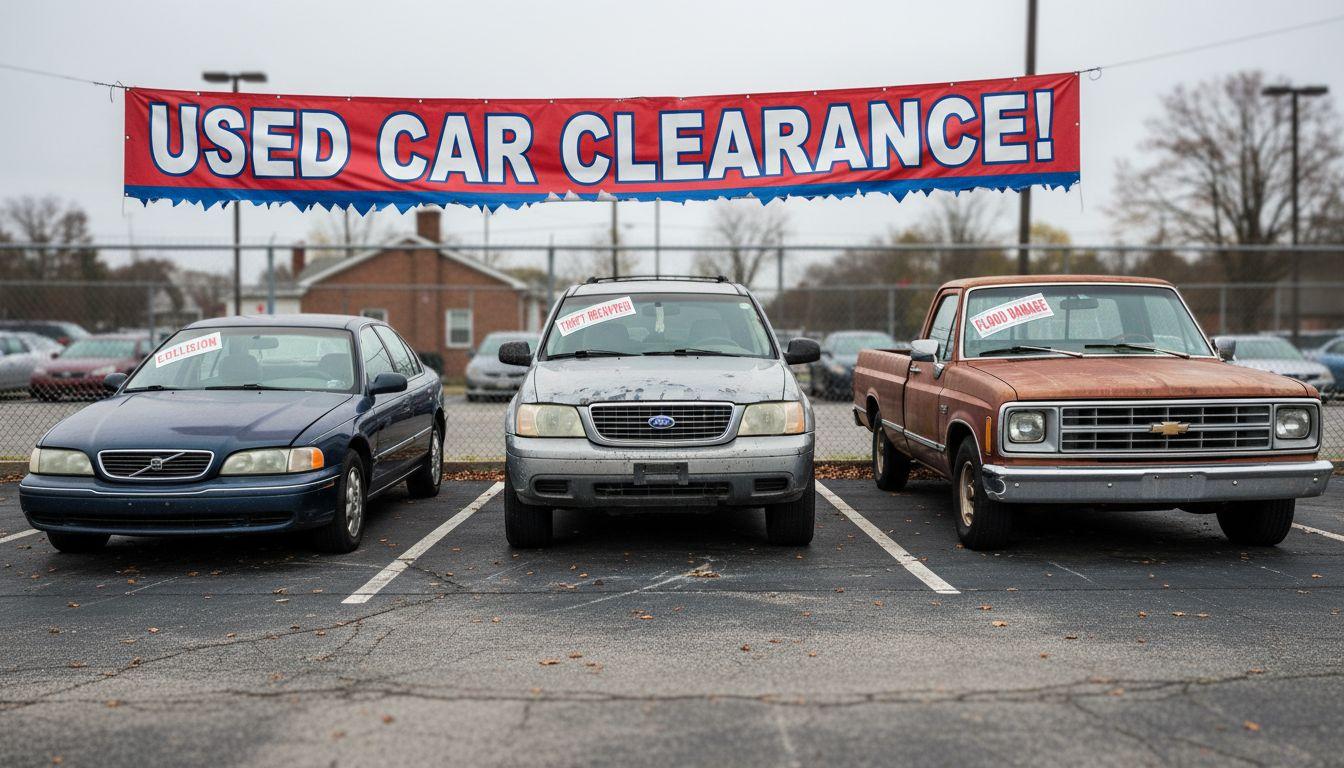
The primary types of rebuilt cars include collision-repaired vehicles, environmental damage vehicles, and theft recovery vehicles. Collision-repaired cars typically involve significant body and mechanical repairs following an accident, requiring comprehensive restoration of structural integrity. Environmental damage vehicles might result from flood, hail, or extreme weather events, often necessitating specialized repair techniques. Theft recovery vehicles, frequently found with minimal damage, represent another unique category where the car is recovered after being reported stolen and may require limited but precise repairs.
Understanding the nuanced differences between rebuilt car types is crucial for making an informed purchase. Different engine configurations and repair approaches can significantly impact a vehicle’s long-term performance and reliability. Some rebuilt cars may have undergone partial component replacements, while others might involve complete system overhauls. Potential buyers should pay close attention to detailed repair documentation, focusing on the extent of repairs, quality of replacement parts, and the professional credentials of the repair facility.
Pro tip: Request a comprehensive repair history and have an independent mechanic perform a detailed diagnostic inspection to understand the specific restoration details of any rebuilt vehicle you are considering.
Here’s a summary comparing the main types of rebuilt vehicles:
| Type of Rebuilt Vehicle | Typical Original Damage | Repair Complexity | Common Risks for Buyers |
|---|---|---|---|
| Collision-Repair | Accident-related | High, structural | Frame or alignment issues |
| Environmental Damage | Flood, hail, weather | Moderate to high | Electrical or corrosion problems |
| Theft Recovery | Stolen, minor damage | Low to moderate | Missing components, incomplete repairs |
Utah Laws and Inspection Requirements
Utah has established comprehensive regulations governing rebuilt vehicles to ensure public safety and transparency. The Utah Department of Motor Vehicles (DMV) defines specific requirements for reconstructed vehicles, mandating a rigorous process that vehicle owners must navigate carefully. This includes submitting detailed documentation about parts sources, repair processes, and undergoing mandatory safety and emissions inspections before registration can be completed.
The inspection process for rebuilt vehicles in Utah is particularly stringent. Utah Highway Patrol safety inspection protocols require a comprehensive examination of the vehicle’s condition to verify its safe operational status. These inspections go beyond standard used vehicle checks, focusing specifically on verifying that all repairs have been conducted professionally and meet state safety standards. Key areas of inspection include structural integrity, mechanical systems, electrical components, and ensuring that any previously damaged areas have been fully and competently restored.

Additionally, Utah law requires a formal Vehicle Identification Number (VIN) inspection for all rebuilt vehicles. This process involves an authorized agent meticulously verifying the vehicle’s identity and confirming that all parts are legitimate and properly integrated. Owners must provide comprehensive documentation detailing the vehicle’s repair history, including sources of replacement parts, repair facility credentials, and a detailed account of the restoration process. These requirements are designed to protect consumers and maintain high standards for vehicles returning to the road after significant damage.
Pro tip: Always request a complete repair documentation package and schedule an independent third-party inspection before finalizing a rebuilt vehicle purchase in Utah.
Transparency and Safe Shopping Strategies
Buying a rebuilt vehicle requires a strategic approach to ensure safety and value. The National Highway Traffic Safety Administration provides critical guidance on navigating vehicle purchases, emphasizing the importance of comprehensive vehicle history reports. These reports offer invaluable insights into a vehicle’s past, revealing potential recalls, previous damage, and critical safety information that might not be immediately visible during a standard inspection.
Utah has established robust consumer protection measures to support transparent vehicle purchasing. State DMV regulations mandate that sellers must provide written disclosure about a vehicle’s rebuilt or salvage history, ensuring buyers have complete information before making a purchase. This requirement goes beyond simple documentation - it represents a commitment to protecting consumers by providing full visibility into a vehicle’s background. Smart buyers should leverage these disclosures, combining them with independent vehicle history checks and professional mechanical inspections to make fully informed decisions.
Successful rebuilt car shopping involves a multi-layered approach to due diligence. This means not only reviewing official documentation but also conducting thorough personal investigations. Potential buyers should request comprehensive repair records, verify the credentials of repair facilities, and obtain independent professional assessments. Critical steps include checking the vehicle identification number (VIN) against national databases, scheduling a detailed mechanical inspection, and understanding the specific nature of any previous damage or repairs. Transparency is the key to mitigating risk and finding a reliable rebuilt vehicle that offers genuine value.
Pro tip: Create a comprehensive checklist of required documents and inspections before viewing any rebuilt vehicle, and never skip the independent mechanical evaluation.
The following table outlines key steps and documents required for buying a rebuilt vehicle in Utah:
| Step | Important Document | Reason |
|---|---|---|
| VIN Check | VIN inspection report | Verify vehicle identity and parts |
| Safety Inspection | State inspection certificate | Confirm compliance with safety standards |
| Repair History Review | Detailed repair records | Assess repair quality and transparency |
| Insurance Quote | Custom rebuilt policy offer | Understand coverage and cost implications |
Insurance, Registration, and Cost Factors
Navigating the financial landscape of rebuilt vehicles in Utah requires careful planning and understanding of unique cost considerations. The National Center for Sustainable Transportation’s vehicle ownership calculator highlights that rebuilt cars come with distinct financial implications beyond standard vehicle expenses. These include additional inspection costs, potentially higher insurance premiums, and nuanced registration requirements that can impact overall ownership expenses.
Utah’s Department of Motor Vehicles has established specific protocols for rebuilt vehicle registration that differ from standard vehicle processes. Registration procedures mandate comprehensive documentation and require owners to complete detailed inspection and verification steps before obtaining a legal title. This means rebuilt vehicle owners typically face higher upfront costs, including mandatory safety inspections, emissions testing, and potentially more extensive paperwork. Insurance companies often approach rebuilt vehicles with additional scrutiny, which can translate to more complex coverage negotiations and potentially higher initial insurance rates.
Financial strategies for rebuilt vehicle ownership in Utah involve understanding and anticipating these unique cost factors. Potential buyers should budget for potentially higher initial registration fees, more comprehensive insurance coverage, and periodic additional inspections. The key is transparency and thorough documentation. Smart buyers will obtain multiple insurance quotes specifically tailored to rebuilt vehicles, maintain meticulous repair records, and work with insurance providers who specialize in or are familiar with rebuilt title vehicles. These proactive steps can help mitigate potential financial surprises and ensure a smoother ownership experience.
Pro tip: Create a comprehensive financial spreadsheet tracking all potential rebuilt vehicle costs, including inspection fees, insurance premiums, and registration expenses, before making your final purchase decision.
Make Smart Rebuilt Car Choices with ReVroom
Navigating the complex world of rebuilt titles in Utah requires more than just knowing the basics. You want confidence in each step—from understanding vehicle history and inspection processes to avoiding costly pitfalls. The article highlights the crucial need for transparency and thorough vetting before purchasing a rebuilt vehicle. This is exactly where ReVroom steps up. We eliminate the guesswork by providing accident histories and detailed pre-repair photos right in every listing. That means you spend less time hunting for information and more time finding the best rebuilt cars without surprises.

Ready to invest wisely and save time? Visit ReVroom now and explore a marketplace dedicated exclusively to rebuilt vehicles that meet your standards. Check out our transparent listings and empower yourself to make buying a rebuilt car in Utah a safer, smarter, and fairer experience. Don’t wait—start your journey toward a happier-ever-after drive today by browsing ReVroom’s selection and taking control of your rebuilt car purchase.
Frequently Asked Questions
What is a rebuilt title?
A rebuilt title indicates that a vehicle has been restored to a safe operational condition after being deemed a total loss by an insurance company. It signifies that the vehicle has undergone significant repairs and passed inspections to meet safety standards.
How can I verify the history of a rebuilt vehicle?
To verify the history of a rebuilt vehicle, request a comprehensive vehicle history report and conduct a VIN check. It’s essential to review the repair records, accident history, and previous title information to ensure transparency.
What are the main types of rebuilt vehicles?
The main types of rebuilt vehicles include collision-repaired cars, environmental damage vehicles, and theft recovery vehicles. Each type varies in terms of original damage and complexity of repairs, impacting their performance and reliability.
What should I consider when buying a rebuilt vehicle in Utah?
When buying a rebuilt vehicle in Utah, it’s crucial to review repair documentation, ensure the vehicle passes safety inspections, request an independent mechanic evaluation, and understand the financial implications, including insurance and registration costs.
Recommended
- Rebuilt Cars and Maintenance – Saving Smart in Utah | ReVroom
- Where Can I Get Used Cars in Utah? Helpful Guide | ReVroom
- Best Good Sites to Buy Used Cars in Utah 2025 | ReVroom
- Online Car Buying Guide for Utah Families and Students | ReVroom
- Building a PPF Business in 2025: From Tools to First Clients – AEONCUT PPF Pre-cut Cutting software
