


Utah transit vs. rebuilt cars: save 50% on family transport
April 13, 2026
TL;DR:
- Utah’s public transit options have increased, offering affordable, reliable urban transportation, especially with student passes.
- Rebuilt title vehicles can save families 20-50% but require careful inspection and understanding of safety and insurance.
- Rural families often rely on personal vehicles, with rebuilt cars being a practical, cost-effective choice when properly vetted.
Most Utah families assume that putting a student behind the wheel of an older car is automatically the budget-friendly move. It feels logical. You buy it once, you own it, and you’re done. But when you actually run the numbers, including gas, insurance, maintenance, and the real cost of a reliable vehicle, that assumption starts to wobble. Utah’s public transit has grown significantly, and rebuilt title vehicles have become a genuinely compelling option for families who know what to look for. So which one actually saves you more? The honest answer is: it depends on where you live, who’s commuting, and how much homework you’re willing to do before making a decision.
Table of Contents
- Understanding Utah’s public transit system: Options, coverage, and costs
- Rebuilt title vehicles in Utah: The money-saving promise and the real risks
- Urban advantage: Why students and families benefit most from UTA
- Rural and suburban gaps: When owning a rebuilt car makes more sense
- Our take: Choosing the best option for your family isn’t just about money
- Take the next step: Save smart on Utah transport with ReVroom
- Frequently asked questions
Key Takeaways
| Point | Details |
|---|---|
| Urban transit advantages | UTA’s Ed Pass allows urban students to commute for free, saving families significant monthly costs. |
| Rebuilt car caution | Rebuilt title vehicles are more affordable upfront but have insurance, resale, and risk trade-offs families should review closely. |
| Rural flexibility | Families in rural or underserved areas may have no choice but to own a car since public transit is limited or unavailable. |
| Smart comparison | Comparing true costs and coverage helps Utah parents choose the best commuting solution for their student’s needs. |
Understanding Utah’s public transit system: Options, coverage, and costs
Let’s start with what Utah actually offers on the transit side, because it’s more robust than many people realize. UTA operates Utah’s primary bus, TRAX light rail, FrontRunner commuter rail, the S-Line streetcar, and an On Demand service for areas where fixed routes don’t reach. That’s a surprisingly full toolkit for a state that most people picture as wide-open desert.
Ridership is trending upward in a meaningful way. UTA’s 2024 ridership reached 40.5 million trips, a jump of over 15% from 2023. That kind of growth signals that more Utah families are finding the system useful, not just tolerable.
What does it cost to ride?
| Service | Fare |
|---|---|
| Bus or TRAX (one-way) | $2.50 |
| FrontRunner (max fare) | $9.70 |
| Ed Pass (students/faculty) | Free |
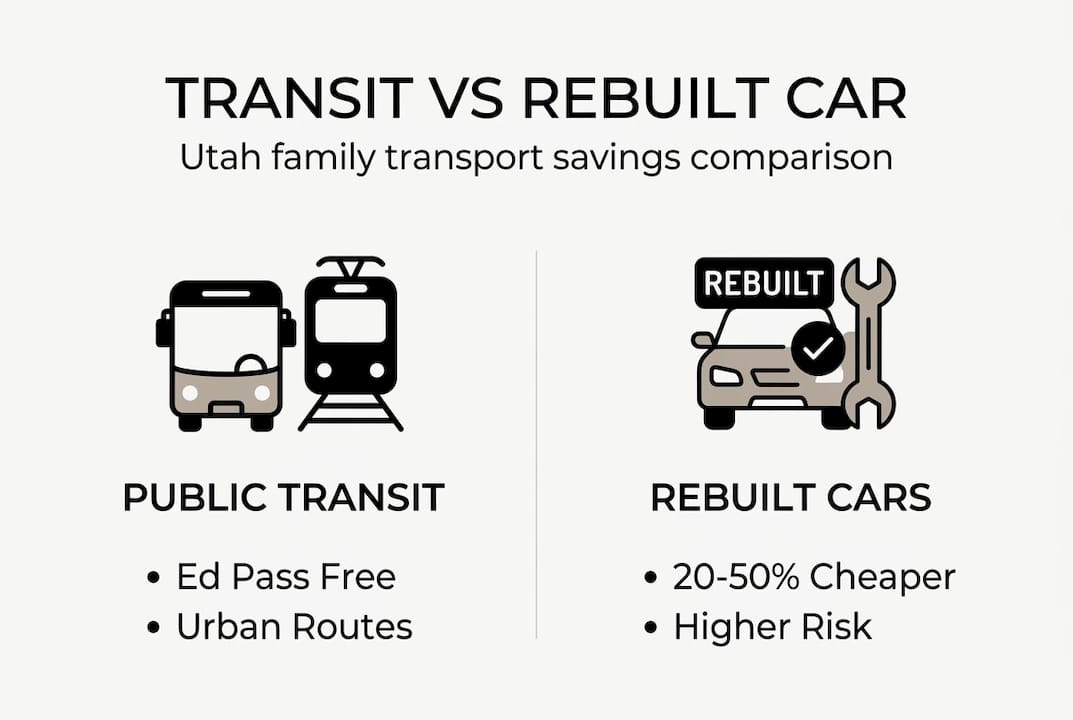
The Ed Pass program is a genuine game-changer for families with students at participating schools. It provides free access to bus, TRAX, and FrontRunner, which means a high schooler or college student can commute all semester without spending a dollar on transportation. That’s not a small thing.
For everyone else, UTA fares in 2026 include daily and monthly caps that make regular use surprisingly affordable compared to driving costs.
Where UTA shines:
- Salt Lake, Utah, Davis, and Weber counties have strong coverage
- TRAX connects major universities, downtown Salt Lake, and the airport
- FrontRunner runs from Ogden to Provo, covering a huge commuter corridor
- On Demand fills gaps in lower-density neighborhoods
Where it falls short:
- Rural counties have limited or no service
- Frequency drops significantly outside peak hours
- Construction and maintenance occasionally cause delays on TRAX lines
“Transit is only as good as how close it gets you to where you actually need to go. For Wasatch Front residents, that answer is often ‘pretty close.’ For everyone else, it’s more complicated.”
The system is reliable for urban users. It’s not a perfect substitute for a car everywhere in Utah, but in the right zip code, it’s a genuinely strong option.
Rebuilt title vehicles in Utah: The money-saving promise and the real risks
Now let’s talk about rebuilt title vehicles, because this is where a lot of families either get excited or get nervous, sometimes both at once.
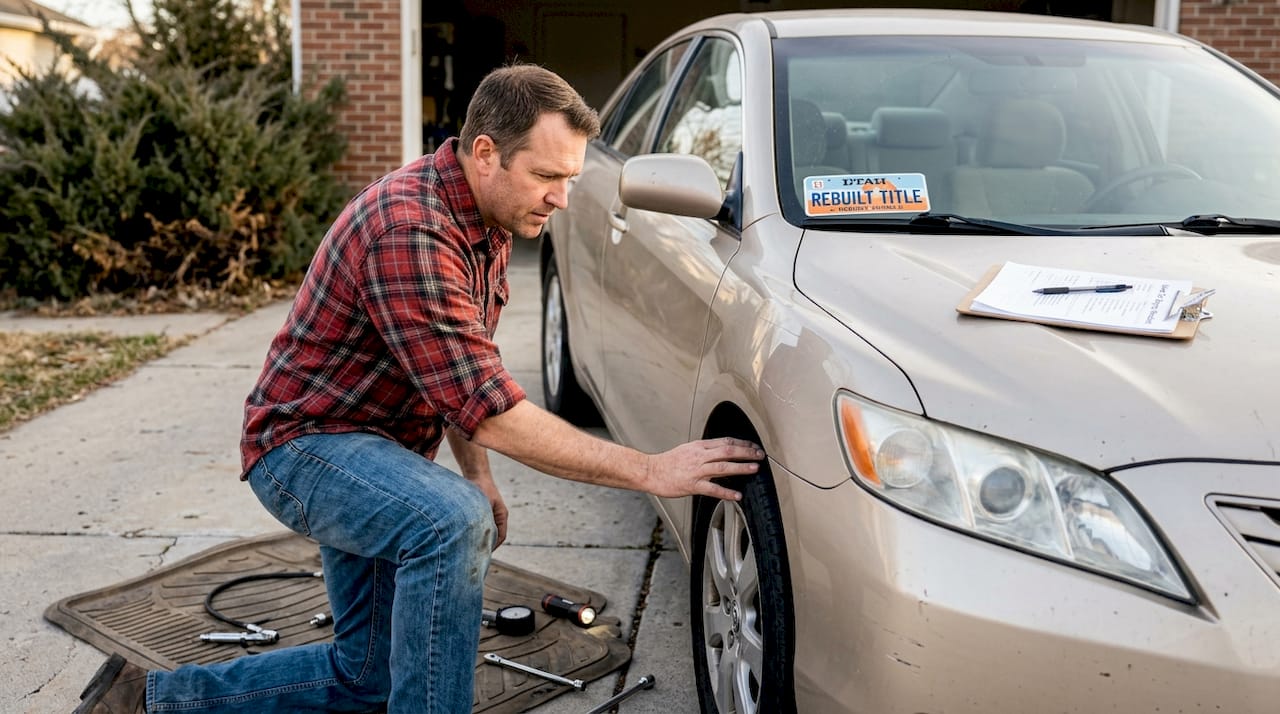
A rebuilt title is assigned to a vehicle that was previously declared a total loss by an insurance company and has since been repaired and restored to a drivable condition. The vehicle history can vary widely, from minor hail damage or paint issues to theft recovery. What matters is that the car passed Utah’s required safety and anti-theft inspections before it was legally allowed back on the road. You can read more about the rebuilt title legal steps required in Utah to understand exactly what that process involves.
Rebuilt cars are typically 20 to 50% less expensive than comparable clean title vehicles, but they carry a permanent title designation and must meet strict safety inspection standards. That price gap is real and significant. On a $20,000 vehicle, you could be looking at $6,000 to $10,000 in savings.
The financial picture at a glance:
| Factor | Rebuilt title car | Clean title car |
|---|---|---|
| Purchase price | 20-50% lower | Full market value |
| Resale value | Lower | Higher |
| Insurance options | Varies by provider | Full range available |
| Required inspections | Yes, state-mandated | Standard only |
Insurance is one area where families often have questions. Contrary to what you might read elsewhere online, most insurance providers have no issue covering rebuilt title vehicles. Shopping around matters here, and our guide on rebuilt car insurance in Utah walks through exactly what to expect.
Pro Tip: Before you buy any rebuilt title vehicle, pull the vehicle history report, ask for photos of what the car looked like before repairs, and always inspect it in person. The upfront diligence pays off.
What to check before buying a rebuilt car in Utah:
- Confirm the vehicle passed Utah’s safety and anti-theft inspection
- Review all available vehicle history information
- Inspect the car in person or have a trusted mechanic look it over
- Understand the insurance options available to you
- Factor in resale value if you plan to sell later
For a full breakdown of what the buying process looks like, our guide on buying a rebuilt car in Utah is a solid place to start.
Urban advantage: Why students and families benefit most from UTA
If your student lives or studies along the Wasatch Front, public transit deserves a serious look before you commit to a vehicle purchase.
Ed Pass provides free bus, TRAX, and FrontRunner access for students and faculty at participating schools. That means a college student at the University of Utah, Utah Valley University, or Salt Lake Community College could potentially commute for free all year. Zero dollars on gas. Zero dollars on parking. Zero dollars on the unexpected repair that always seems to happen at the worst possible time.
For parents, the math gets interesting fast. When you add up gas, insurance, and maintenance for a student-use vehicle, you’re often looking at $300 or more per month. Transit eliminates most of that.
Most Wasatch Front residents live within half a mile of a transit stop, and fare caps make daily use genuinely affordable for those who aren’t covered by Ed Pass.
Practical urban transit wins:
- No parking costs at crowded university campuses
- Students can study or use their phones during the commute
- No wear on a family vehicle from daily student use
- TRAX runs frequently during peak hours in Salt Lake County
- FrontRunner connects Utah County and Davis County students to Salt Lake efficiently
Pro Tip: If your student attends a school that participates in the Ed Pass program, check enrollment deadlines early in the semester. Missing the window means paying out of pocket until the next enrollment period.
For urban families, transit isn’t a compromise. It’s often the smarter financial move, especially when the alternative is buying and maintaining a second vehicle just for school runs.
Rural and suburban gaps: When owning a rebuilt car makes more sense
Here’s where the conversation shifts. Not every Utah family lives near a TRAX station or a FrontRunner stop. And for those families, the transit conversation is often a short one.
Limited public transit in rural Utah means that areas like Tooele County have infrequent weekday service at best. If you’re in Vernal, Cedar City, or anywhere in the rural stretches between population centers, a personal vehicle isn’t a luxury. It’s how you get to work, how your kid gets to school, and how you handle anything that comes up during the day.
For these families, personal vehicles provide the flexibility for jobs, errands, and daily life that simply cannot be replicated by public transit outside urban counties. A rebuilt title vehicle, purchased carefully and inspected thoroughly, can be a genuinely smart solution.
Areas where owning a car is essentially required:
- Tooele, Juab, Sanpete, and Sevier counties
- Rural communities in Washington and Iron counties
- Outer suburbs where bus service runs once per hour or less
- Any location more than a mile from the nearest transit stop
The key word in all of this is carefully. Rural buyers especially should understand what they’re getting into before signing anything. Our rebuilt car inspection checklist is built for exactly this situation. And if financing is part of your plan, our guide on financing rebuilt title cars covers what Utah credit unions and lenders typically look for.
“A rebuilt title vehicle purchased with eyes wide open is a far better outcome than an overpriced clean title car purchased in a hurry.”
The rebuilt title market rewards informed buyers. Do the work upfront, and you can drive away with a solid vehicle at a price that leaves real money in your pocket.
Our take: Choosing the best option for your family isn’t just about money
So where does that leave Utah families on the fence? We’ve looked at a lot of these decisions, and the honest truth is that chasing the lowest upfront number isn’t always the right move.
For urban students, the peace of mind that comes with a reliable transit system is worth something. No breakdowns. No insurance surprises. No parking tickets. Parents sometimes underestimate how much stress a student vehicle adds to the family equation, financially and otherwise.
For rural and suburban families, owning a vehicle is often simply unavoidable. A rebuilt title car, approached with proper due diligence, can be an excellent fit. Understanding rebuilt title eligibility for Utah families is a smart first step before you start shopping.
The best answer blends your location, your student’s actual needs, your budget, and what trade-offs your family is genuinely comfortable with. There’s no universal right answer here. But there is a right answer for your family, and finding it starts with getting informed rather than guessing.
Take the next step: Save smart on Utah transport with ReVroom
If your family is leaning toward a rebuilt title vehicle, or even just curious about whether it makes sense, you don’t have to figure it out alone. ReVroom is the only online marketplace built specifically for rebuilt title vehicles, and we’ve put together resources designed to make the decision easier and safer.
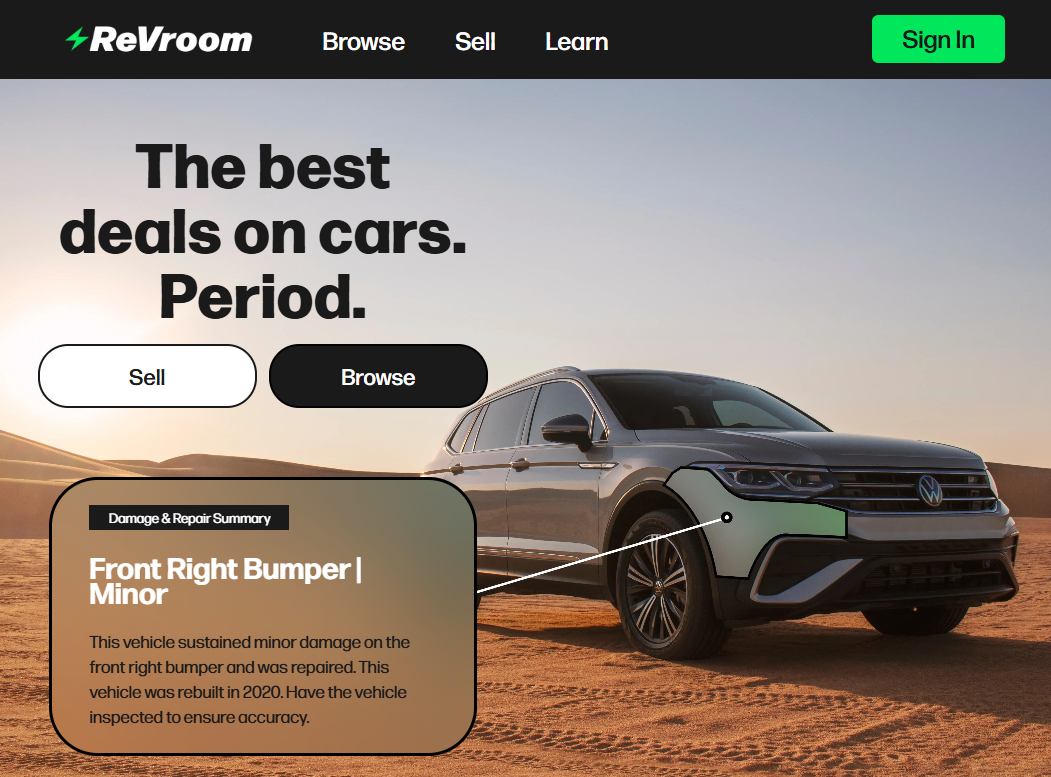
From our Utah rebuilt title legal guide to insurance tips and inspection guidance, we’ve covered the questions Utah families ask most. Every listing on ReVroom includes vehicle history information and photos of what the car looked like before it was repaired, so you can evaluate each option with real transparency. No guesswork. No surprises. Just smart, informed choices that stretch your family’s budget further.
Frequently asked questions
What is the cheapest way for a student to get around Salt Lake City?
The UTA Ed Pass program provides free public transit for students and faculty at participating schools, making it the lowest-cost and most reliable commute option within the city.
Are rebuilt title cars safe for Utah teens to drive?
Rebuilt cars require Utah DMV safety and anti-theft inspections before they can be titled and driven, but buyers should still inspect the vehicle in person and review all available history information before purchasing.
Does UTA serve rural Utah towns?
UTA’s coverage is strongest in urban counties along the Wasatch Front. Many rural areas have limited or no service, which means families in those regions typically need a personal vehicle.
How can Utah parents save on car insurance for rebuilt vehicles?
Most rebuilt title vehicles can be insured without major difficulty, and shopping around across multiple providers is the best way to find competitive rates. Our guide on rebuilt car insurance options covers what Utah families should expect when comparing quotes.
