


Vehicle Maintenance Sheet: Your Complete Car Upkeep Guide
June 20, 2026
TL;DR:
- A vehicle maintenance sheet records all services, repairs, and inspections to protect vehicle value and owner peace of mind. It should include detailed service descriptions, cost breakdowns, provider information, and next service dates, with attached photos for accuracy. Maintaining an organized digital or paper log helps owners stay proactive, save money, and enhance resale confidence, especially for rebuilt title vehicles.
A vehicle maintenance sheet is a structured log that records every service, repair, and inspection performed on a car, organized by date and odometer reading. Think of it as your car’s personal health file. The average passenger vehicle in the US is now 12.6 years old, which means consistent documentation is no longer optional. It is the difference between a car that holds its value and one that quietly falls apart. Whether you use a paper log, a spreadsheet, or an app like Vehicle Maintenance Tracker, a well-kept automobile service record protects your wallet and your peace of mind.
What does a comprehensive vehicle maintenance sheet include?
A complete vehicle upkeep log captures far more than just oil change dates. According to MapTrack, a reliable maintenance sheet must include the date, odometer reading, a detailed service description, a cost breakdown separating parts and labor, the service provider’s name, and the next service due date. Each of those fields pulls its weight.

The cost breakdown is the field most owners skip, and it is the most valuable one. Separating parts and labor costs lets you benchmark one shop against another and gives you hard evidence if a warranty or insurance claim ever comes up. Without that split, you are just holding a receipt with a total on it.
Here is what a thorough car service tracker entry looks like in practice:
| Field | What to Record |
|---|---|
| Date | Exact service date (month, day, year) |
| Odometer reading | Miles at time of service |
| Service description | Specific work performed, parts replaced |
| Cost breakdown | Parts cost vs. labor cost, listed separately |
| Service provider | Shop name, mechanic, or dealership |
| Next service due | Date or mileage milestone, whichever comes first |
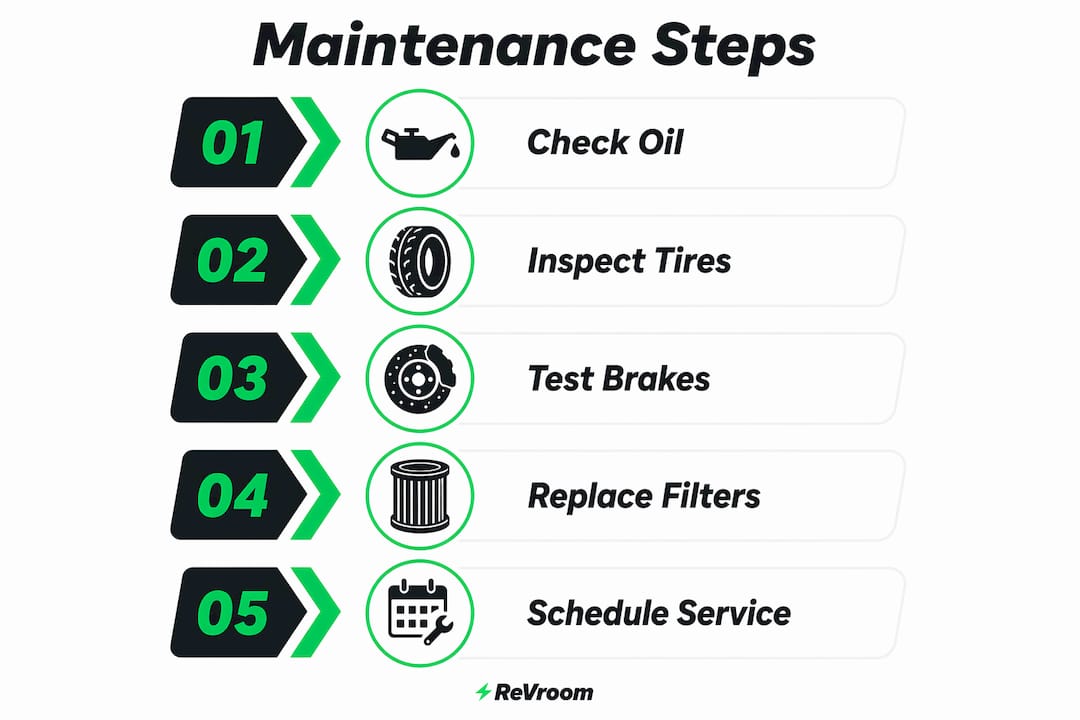
Beyond the table entries, attach photos of receipts and any inspection reports directly to the record. Digital logs with attached photos are the preferred format for reliability because paper receipts fade and disappear. For rebuilt title vehicles specifically, thorough photo documentation of post-repair work is especially persuasive to future buyers.
Why does keeping a vehicle maintenance sheet matter so much?
A car service tracker does three jobs at once: it keeps you proactive, it protects you financially, and it makes your car easier to sell. Most owners only think about the first job. The other two are where the real money lives.
On the proactive side, routine monthly checks covering fluid levels, tire pressure, and lights catch small problems before they become expensive ones. Quarterly checks add oil condition and brake inspections to that list. A log makes those intervals automatic because you can see at a glance what was done and when.
“A maintenance log is not just a record. It is a critical asset for warranty compliance, resale value, and regulatory standing.” — MapTrack
On the financial side, a detailed auto repair history gives you leverage. You can compare what you paid for a brake job last year against what a new shop is quoting today. You can prove to an insurer that a failure was not caused by neglect. And when it is time to sell, a complete vehicle inspection sheet tells the buyer you took care of the car. That transparency builds trust faster than any sales pitch.
Pro Tip: If you own a rebuilt title vehicle, meticulous post-repair records actively boost buyer confidence and help counter any hesitation about the car’s history. A thick, well-organized log speaks louder than a verbal assurance.
How to create and use a vehicle maintenance sheet effectively
Setting up your log takes about 20 minutes. Keeping it current takes about 5 minutes per service visit. Here is the process that works:
- Choose your format. Paper logs work but are easy to lose. A spreadsheet template from Vertex42 or a free PDF from MapTrack gives you structure without cost. Apps like Vehicle Maintenance Tracker add reminders, multi-vehicle management, and export functions.
- Enter your vehicle’s baseline details. Record the make, model, year, VIN, current odometer reading, and the date you started the log. This anchors every future entry.
- Log every service event immediately. Do not wait until the end of the month. Fill in the date, mileage, what was done, who did it, what it cost (parts and labor separately), and when the next service is due.
- Set calendar reminders. Proactive seasonal maintenance shifts your mindset from reactive to preventive. Use your phone or a calendar app to schedule quarterly and annual checkpoints.
- Follow factory intervals, not shop suggestions. Your owner’s manual is the authority on service frequency. Standard mileage-based intervals start at 5,000 miles, with major inspections near 100,000 miles. Stick to those benchmarks unless a mechanic can show you a specific reason to deviate.
- Keep a master record separate from shop paperwork. Shops lose records. Dealerships change ownership. Your master log is the one source of truth, so store a backup copy digitally.
Pro Tip: Ask your mechanic the right questions before every service visit. Knowing what to ask helps you record accurate, specific descriptions instead of vague notes like “general tune-up.”
For monthly, quarterly, and annual checks, a car upkeep checklist organized by interval keeps things manageable. Monthly: fluids, tire pressure, lights. Quarterly: oil condition, brakes, battery terminals. Annually: coolant flush, belts, filters, and a full vehicle inspection covering suspension and exhaust.
Common mistakes owners make when tracking vehicle maintenance
Most maintenance logs fail not because owners stop caring, but because they start cutting corners on the details. These are the mistakes that cost money.
- Skipping the parts and labor split. A single total tells you nothing useful. Separate line items let you spot overcharges and support future claims.
- Leaving out the service provider’s name. If a repair fails and you need to go back, you need to know who did the work and when.
- Forgetting the next service due date. This is the field that turns a log into a reminder system. Without it, you are just keeping a diary.
- Over-servicing based on shop recommendations. Many owners pay for “severe duty” schedules they do not need. Always verify service frequency against your manufacturer’s guidelines before agreeing to extra work.
- Ignoring seasonal and mileage-based checks. Seasonal maintenance aligned with quarterly checkpoints catches defects early. Skipping them turns small fixes into big repairs.
- Writing vague service descriptions. “Oil change” is fine. “Oil change, replaced cabin air filter, topped off coolant, noted minor brake pad wear on front left” is a record that actually helps you.
- Not documenting rebuilt title vehicle repairs thoroughly. For rebuilt title cars, comprehensive documented maintenance is the single most effective way to build buyer confidence and protect resale value.
What are the best tools and templates for vehicle maintenance tracking?
The right tool depends on how you work. Here is a straightforward comparison:
| Tool | Format | Best For | Cost |
|---|---|---|---|
| MapTrack PDF Template | Printable PDF | Simple, offline logging | Free |
| Vertex42 Excel Template | Spreadsheet | Customizable, cost tracking | Free |
| Vehicle Maintenance Tracker | Mobile app | Multi-vehicle, reminders, export | Free/paid tiers |
Digital apps like Vehicle Maintenance Tracker let you add vehicle photos, set due date alerts, manage multiple cars, and export records as a shareable file. That export function is particularly useful when selling a vehicle. You can hand a buyer a complete, chronological automobile service record in seconds.
MapTrack’s free PDF template covers all the essential fields and works well for owners who prefer pen and paper or want a printable backup. Vertex42’s Excel version adds formula-based cost tracking, which is ideal if you want to budget for car maintenance across the year and see exactly where your money goes. For fleet use, both spreadsheet and app formats support multi-vehicle entries and can integrate with calendar systems for compliance tracking.
Key takeaways
A vehicle maintenance sheet is the single most practical tool for protecting your car’s reliability, your budget, and its resale value.
| Point | Details |
|---|---|
| Record every field | Always log date, mileage, service description, parts and labor costs, provider, and next due date. |
| Follow factory intervals | Use your owner’s manual, not shop suggestions, to set service frequency. |
| Separate parts and labor | Split cost entries let you benchmark providers and support warranty or insurance claims. |
| Go digital with backups | Apps like Vehicle Maintenance Tracker add reminders and export functions that paper logs cannot match. |
| Document rebuilt title repairs | Thorough post-repair records build buyer confidence and protect resale value for rebuilt title vehicles. |
The log that saved us from a $1,200 mistake
We have seen it happen more than once. A car owner brings a vehicle in for a routine checkup, and the shop recommends a coolant flush, a transmission service, and a fuel injector cleaning. Total estimate: $1,200. The owner has no log. They have no way to know that the coolant was flushed eight months ago and the transmission was serviced at 60,000 miles. They pay the bill.
A maintenance tracking spreadsheet would have stopped that conversation in its tracks. The owner could have pulled up the record on their phone, pointed to the date and mileage, and walked out with only the service they actually needed.
The lesson is not that mechanics are dishonest. Most are not. The lesson is that a log gives you the information to have an informed conversation. It puts you in the driver’s seat, literally and figuratively. We also believe this matters especially for rebuilt title vehicle owners, who sometimes face extra scrutiny when selling. A thick, well-organized auto repair history does not just answer questions. It stops them from being asked in the first place.
Start the log today. Not after the next oil change. Today.
— Revroom Editorial Team
Find your next well-documented vehicle on Revroom

Revroom is the only marketplace built specifically for rebuilt title vehicles, and transparency is baked into every listing. Each vehicle on Revroom includes vehicle history information and photos showing what the car looked like before repairs, so you can evaluate a car’s past with confidence before you ever contact a seller. That kind of upfront documentation is exactly what a good vehicle upkeep log looks like at the point of sale. If you are ready to find a well-priced vehicle with a clear history, explore Revroom’s marketplace and see what a transparent car-buying experience actually feels like. Rebuilt title vehicles can be up to 50% cheaper than comparable clean title cars. Your dollars go further here.
FAQ
What is a vehicle maintenance sheet?
A vehicle maintenance sheet is a log that records every service, repair, and inspection performed on a car, including dates, mileage, costs, and service provider details. It serves as the official automobile service record for the vehicle’s life.
How often should I update my car maintenance log?
Update your log immediately after every service visit. Routine checks happen monthly, quarterly, and annually, so entries should follow those same intervals.
Does a maintenance log increase resale value?
A complete vehicle upkeep log builds buyer trust and supports a higher asking price. For rebuilt title vehicles especially, thorough maintenance records directly counter hesitation and demonstrate responsible ownership.
What is the best free template for tracking vehicle maintenance?
MapTrack offers a free printable PDF template covering all essential fields. Vertex42 provides a free Excel spreadsheet version with built-in cost tracking for owners who prefer a digital spreadsheet format.
Should I track parts and labor costs separately?
Yes. Separating parts and labor in your records lets you compare provider pricing accurately and provides the documentation needed for warranty and insurance claims.
