


Rebuilt Car Insurance: Navigating Real Savings Safely
January 8, 2026
Over 30 percent of American rebuilt title vehicles sell for thousands less than their clean title counterparts, making them a practical option for Utah families and college students trying to stretch their budgets. Yet, understanding rebuilt car insurance truly matters, since limited coverage and strict approval demands can affect your protection. This guide uncovers what rebuilt title insurance means for cost, coverage, and your peace of mind—helping you buy smarter and with greater confidence.
Table of Contents
- What Rebuilt Car Insurance Really Means
- Coverage Types For Rebuilt Title Vehicles
- How Insurers Evaluate Rebuilt Title Cars
- Costs, Savings, And Payout Scenarios
- Tips For Smooth Insurance Approval
Key Takeaways
| Point | Details |
|---|---|
| Rebuilt Title Implications | Rebuilt title vehicles require specialized insurance coverage due to their unique histories, often leading to limited liability options. |
| Insurance Coverage Limitations | Most policies cover basic liability but typically exclude collision and comprehensive protections, emphasizing the need for thorough documentation. |
| Documentation Importance | Maintaining extensive repair records and having professional inspections done can improve insurance prospects and reduce risks. |
| Financial Considerations | Upfront savings on rebuilt title vehicles can be offset by higher insurance premiums and potentially lower claim payouts. |
What Rebuilt Car Insurance Really Means
When you hear “rebuilt title,” insurance gets complex. Unlike standard vehicles, rebuilt cars require specialized coverage that acknowledges their unique history. A rebuilt title indicates a vehicle previously declared a total loss that has since been repaired to roadworthy condition. This status significantly impacts your insurance options and potential coverage.
Insurance providers approach rebuilt titles with caution. Most insurers will offer limited liability coverage rather than comprehensive protection. Why? The risk of hidden structural damage or electronic system complications makes underwriting these vehicles challenging. Insurers want to minimize potential future claims by restricting the depth of coverage.
Navigation of rebuilt title insurance involves strategic steps. You’ll typically need to provide detailed repair documentation, professional inspection reports, and potentially undergo a comprehensive vehicle assessment. Some insurance companies require photographic evidence of repairs, while others mandate professional mechanical evaluations before extending any coverage. This rigorous process helps insurers understand the vehicle’s restoration quality and potential risk.
Understanding rebuilt title insurance means recognizing its limitations. Most policies will cover basic liability but may exclude collision or comprehensive protections. This means if your rebuilt vehicle sustains damage, you might be responsible for repair costs. Smart buyers invest in thorough pre-purchase inspections and maintain meticulous repair records to improve their insurance prospects.
Pro tip: Before purchasing a rebuilt title vehicle, request multiple insurance quotes to understand potential coverage limitations and associated costs.
Coverage Types for Rebuilt Title Vehicles
Understanding insurance coverage for rebuilt title vehicles requires a nuanced approach. Most major insurance providers recognize these vehicles but with significant caveats. Comprehensive coverage options can vary dramatically depending on the vehicle’s repair history and documented restoration quality.
Typically, rebuilt title vehicles encounter three primary insurance coverage categories. First, liability coverage remains the most consistently available option. Insurers like USAA, Progressive, State Farm, and Allstate commonly provide basic protection that covers damages you might cause to other vehicles or property. Second, collision coverage becomes more restrictive. Many insurance companies hesitate to offer full collision protection because assessing pre-existing damage becomes challenging. Third, comprehensive coverage often faces the most significant limitations, with some insurers completely excluding protection against theft, weather damage, or other non-collision incidents.
The key to securing better insurance for a rebuilt title vehicle lies in documentation and transparency. Insurers require detailed repair records that demonstrate professional restoration and mechanical integrity. This means maintaining thorough inspection reports, before-and-after photographs, and professional mechanic certifications. Some insurance providers might mandate an independent assessment to verify the vehicle’s roadworthiness before extending coverage beyond basic liability.
State regulations also play a crucial role in rebuilt title insurance availability. Some states have more lenient requirements, while others impose strict guidelines on insuring previously damaged vehicles. Potential buyers should research their specific state’s regulations and be prepared to provide extensive documentation. Insurance premiums for rebuilt titles typically run higher due to the perceived increased risk, reflecting the additional uncertainty surrounding the vehicle’s structural integrity.
Here is a quick comparison of insurance coverage types for rebuilt title vehicles:
| Coverage Type | Availability for Rebuilt Titles | Typical Restrictions | Key Benefit |
|---|---|---|---|
| Liability | Widely available | Excludes own vehicle damage | Meets legal requirements |
| Collision | Often limited | Requires detailed repair proof | Covers accident damage |
| Comprehensive | Rarely offered | May exclude theft/weather incidents | Protects against non-collision |
Pro tip: Always obtain multiple insurance quotes and bring comprehensive repair documentation to demonstrate your rebuilt title vehicle’s quality and reliability.
How Insurers Evaluate Rebuilt Title Cars
Insurers approach rebuilt title vehicles with meticulous scrutiny, employing a comprehensive risk assessment strategy. Insurance evaluation processes involve multiple layers of investigation designed to protect both the insurance company and potential policyholder.
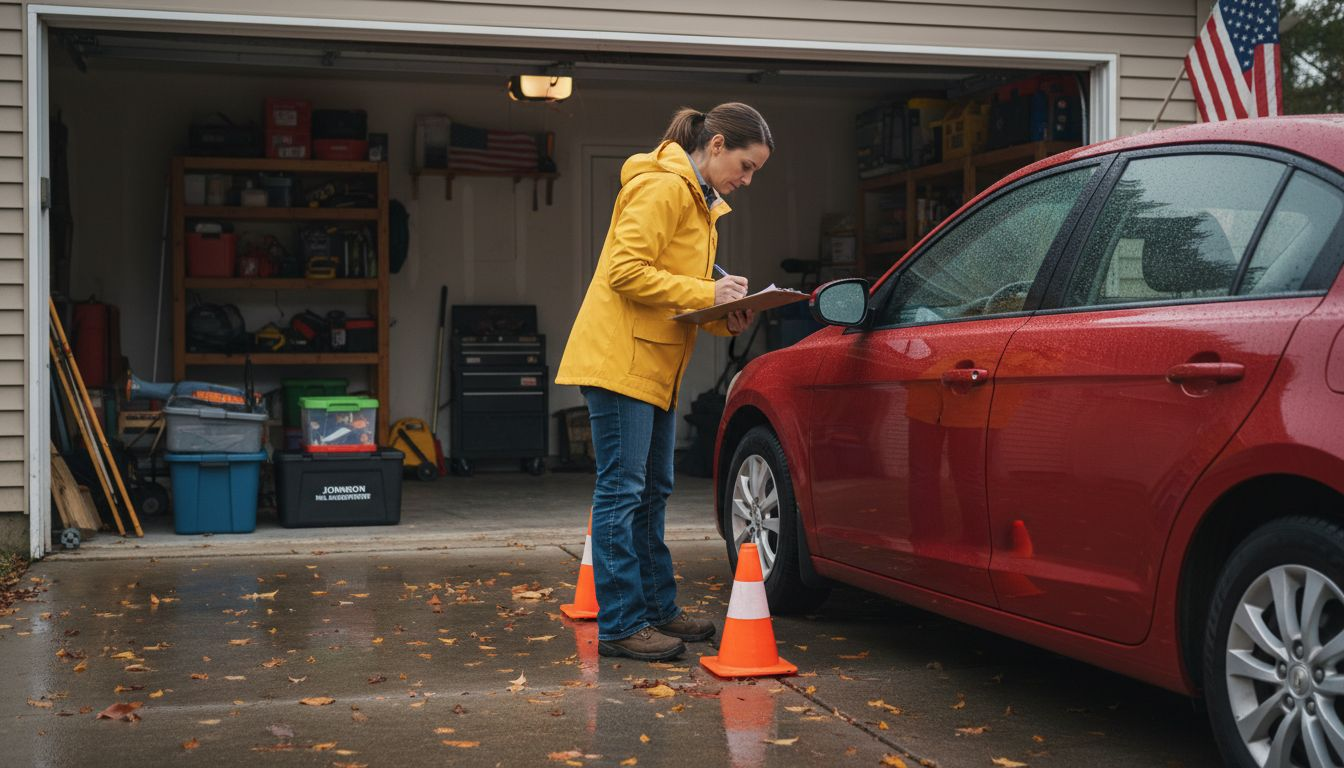
The evaluation begins with extensive documentation review. Insurance companies require detailed repair records, professional inspection certificates, and comprehensive vehicle history reports. They utilize national databases like the National Motor Vehicle Title Information System (NMVTIS) to cross-reference the vehicle’s background, searching for any signs of fraud, undisclosed damage, or structural compromises. Structural integrity becomes the primary concern, with particular attention paid to frame repairs, mechanical systems, and safety-critical components.
Beyond paperwork, many insurers mandate physical inspections by their approved automotive experts. These assessments go beyond standard used car evaluations, focusing specifically on the quality of prior repairs and potential hidden damage. Roadworthiness verification requires proving that the vehicle has passed state-mandated safety inspections and meets minimum operational standards. Insurers calculate risk using complex algorithms that factor in repair quality, previous damage extent, and the specific type of restoration performed.
Premium calculations for rebuilt title vehicles reflect their unique risk profile. Insurance companies typically charge higher rates to compensate for the increased uncertainty. Factors like the vehicle’s age, repair quality, and specific restoration details dramatically influence coverage eligibility and pricing. Some insurers may limit coverage to liability-only policies, while others might offer more comprehensive protection based on detailed inspection results.
Pro tip: Compile a comprehensive repair portfolio with professional inspection documents, before-and-after photographs, and detailed repair receipts to improve your chances of securing better insurance coverage.
Costs, Savings, and Payout Scenarios
Rebuilt title vehicles present a unique financial landscape where upfront savings can be counterbalanced by complex insurance considerations. Insurance premium calculations reveal a nuanced economic reality that potential buyers must carefully navigate.

The initial purchase price of a rebuilt title vehicle typically represents significant savings, often ranging from 30% to 50% below comparable clean title vehicles. However, these upfront cost reductions can be partially offset by higher insurance premiums and potentially limited coverage options. Insurance costs for rebuilt titles tend to be 15% to 25% higher than standard used vehicles, reflecting the increased perceived risk by insurance providers. These elevated rates stem from uncertainties about the vehicle’s prior damage, repair quality, and potential future mechanical issues.
Payout scenarios for rebuilt title vehicles differ substantially from standard insurance claims. In the event of an accident, insurers will likely calculate compensation based on the vehicle’s diminished market value rather than its replacement cost. This means that if your rebuilt title vehicle is damaged, you might receive a significantly lower settlement compared to a similar clean title vehicle. Some insurance companies may limit coverage to liability-only policies, effectively reducing your potential claim amount and leaving you more financially exposed in comprehensive damage scenarios.
Smart buyers mitigate these financial risks by maintaining meticulous documentation of repairs, obtaining professional inspections, and shopping around for insurers specializing in rebuilt title coverage. Understanding the total cost of ownership goes beyond the initial purchase price, requiring a comprehensive evaluation of long-term insurance and potential repair expenses. Transparency about the vehicle’s history and quality of restoration can help negotiate better insurance terms and more favorable payout scenarios.
Consider these cost factors when buying and insuring a rebuilt title vehicle:
| Factor | Rebuilt Title Vehicle | Clean Title Vehicle | Financial Impact |
|---|---|---|---|
| Purchase Price | 30-50% lower | Standard market value | Major upfront savings |
| Insurance Premiums | 15-25% higher | Lower premiums | Increased ongoing expense |
| Claim Payouts | Based on reduced market value | Replacement cost | Lower potential settlements |
Pro tip: Request detailed repair documentation and professional inspection reports before purchasing a rebuilt title vehicle to improve your insurance coverage options and potential claim settlements.
Tips for Smooth Insurance Approval
Navigating insurance for rebuilt title vehicles requires strategic preparation and meticulous documentation. Insurance approval strategies demand a proactive approach that demonstrates the vehicle’s reliability and restoration quality.
The cornerstone of successful insurance approval lies in comprehensive documentation. Potential insurers will want a detailed repair portfolio that includes professional inspection reports, high-quality photographs documenting the restoration process, itemized repair invoices, and state safety inspection certificates. Each document serves as evidence of the vehicle’s roadworthiness and helps underwriters accurately assess potential risks. Transparency is key - be prepared to provide a complete narrative of the vehicle’s history, including the type of damage it sustained and the extent of repairs performed.
Building relationships with insurers experienced in rebuilt title vehicles can significantly streamline the approval process. Some insurance providers specialize in these unique vehicles and understand the nuanced evaluation requirements. Seek out agents who have demonstrated expertise in handling rebuilt title policies. During initial consultations, be prepared to discuss specific details about the vehicle’s restoration, including the qualifications of the repair shop, the origin of replacement parts, and the comprehensiveness of the repair work. Proactively addressing potential concerns can help insurers feel more confident about extending coverage.
Understanding state-specific regulations is crucial for smooth insurance approval. Different states have varying requirements for rebuilt title vehicles, which can impact insurance eligibility. Some states mandate more rigorous inspection processes, while others have more lenient guidelines. Research your state’s specific regulations and ensure your vehicle meets all necessary safety and documentation standards before approaching insurers.
Pro tip: Create a digital and physical folder containing all repair documentation, professional inspection reports, and restoration photographs to streamline the insurance approval process.
Navigate Rebuilt Car Insurance with Confidence and Transparency
Understanding rebuilt car insurance means facing challenges around coverage, risk assessment, and premium costs. The article highlights common pain points such as limited liability options, the need for thorough repair documentation, and the importance of transparency to secure better insurance rates and claims payouts. If you are looking to buy a rebuilt title vehicle and want to bypass the usual costly inspections and unclear histories, there is a smarter way to go further.
At ReVroom, we bring clarity to the rebuilt vehicle market by providing upfront accident history and pre-repair photos with every listing. This means you can see exactly what a car looked like before restoration, helping you avoid the unknowns and gain confidence in your purchase. Unlike many platforms, ReVroom is built specifically for rebuilt title vehicles and focused on fair, transparent transactions that save you time and money. ReVroom’s commitment to powering smarter decisions aligns perfectly with the insurance concepts discussed — by helping you collect the transparency insurers want, the process of securing better coverage becomes easier.
Ready to make your rebuilt car buying experience safer and less stressful?

Start exploring reliable rebuilt vehicles today at ReVroom. Unlock the power of transparency to save money and insure your next car with confidence. Your smarter, safer rebuilt car journey begins here.
Frequently Asked Questions
What does a rebuilt title mean for insurance?
A rebuilt title indicates that a vehicle was previously declared a total loss due to damage but has been repaired to a roadworthy condition. Insurance for rebuilt title vehicles is often limited, focusing primarily on liability coverage rather than comprehensive protection.
Why is insurance for rebuilt title vehicles often more expensive?
Insurance premiums for rebuilt title vehicles can be 15% to 25% higher than standard vehicles due to the perceived increased risk associated with their history of damage and repairs.
What types of coverage can I expect for a rebuilt title vehicle?
Most insurers provide basic liability coverage for rebuilt title vehicles, but collision and comprehensive coverage options may be limited or excluded. It’s crucial to obtain detailed repair documentation to secure better coverage.
How can I improve my chances of getting insurance for a rebuilt title vehicle?
To improve your chances of obtaining insurance, maintain a comprehensive repair portfolio with detailed inspection reports, photographs of the restoration process, and transparency about the vehicle’s history. Building relationships with insurers familiar with rebuilt title vehicles can also help streamline the approval process.
