


Salvage vs branded titles: Utah buyer's guide 2026
March 7, 2026
Shopping for a car in Utah and wondering what the difference is between a branded title and other designations? Confusion between title types costs buyers thousands and sometimes puts them in unsafe vehicles. This guide cuts through the jargon. We’ll show you exactly what each title means, how they impact insurance and value, and where Utah buyers can find transparent rebuilt title cars that fit tight budgets without the guesswork.
Table of Contents
- Understanding The Legal Definitions And Implications
- Categories And What They Mean For Buyers
- Common Misconceptions That Confuse Buyers
- Insurance, Resale Value, And Safety Considerations
- How Revroom Enhances Transparency And Buyer Confidence
- Practical Tips To Verify And Buy Safely
- Explore Transparent Rebuilt Title Cars On Revroom
- Frequently Asked Questions
Key takeaways
| Point | Details |
|---|---|
| Title types matter | Vehicles declared total loss get a designation that marks their history permanently and impacts registration and insurance. |
| Branded includes rebuilt | Branded titles cover multiple categories including rebuilt vehicles that have passed state safety inspections and are road legal. |
| Value and insurance affected | Rebuilt title vehicles reduce resale value by 20-40% but are insurable after inspection. |
| Verification prevents fraud | Always use NMVTIS and official reports to confirm title status and avoid title washing scams. |
| Transparency protects buyers | Detailed vehicle history and pre-repair photos help you assess condition and make confident decisions. |
Understanding the legal definitions and implications
Let’s start with the basics. A vehicle is declared total loss by an insurer when repair costs exceed a threshold, often around 75% of its pre-incident value. At that point, it cannot be legally driven or registered until it passes state inspections and receives a new designation.
This total loss mark is permanent. It stays on the vehicle history records to protect future buyers. You can’t just fix the car in your garage and slap it back on the road. Utah requires formal inspections to verify safety before any total loss vehicle can be registered again.
Here’s what you need to know about the repair threshold:
- Insurance companies assess whether fixing the vehicle costs more than it’s worth
- The threshold percentage varies by state but typically ranges from 70-80%
- Once declared total loss, the vehicle receives a permanent notation
- The vehicle cannot be registered until it meets specific rebuild criteria
“The designation protects consumers by ensuring transparency across all future ownership changes, no matter how many times the car is sold.”
Utah’s legal framework prioritizes buyer safety. Before any total loss vehicle can return to public roads, it must undergo thorough inspection. This process verifies that repairs meet minimum safety standards and that the vehicle poses no hazard to drivers or passengers. The registration process for these vehicles involves additional documentation and state oversight.
Safety concerns remain the top priority. Even after repairs, buyers should understand that these vehicles experienced significant incidents. That’s why the permanent notation exists, it forces transparency. You deserve to know what happened before you buy.
For Utah buyers specifically, the distinction between legal and non-legal status matters enormously. A vehicle that hasn’t passed inspection can’t be insured, registered, or driven. Period. Understanding this helps you avoid deals that seem too good to be true because they probably are. Learn more about Utah’s rebuilt vs total loss rules.
Categories and what they mean for buyers
Branded titles are permanent legal notations for vehicles with prior issues. Think of “branded” as an umbrella term covering multiple categories. Rebuilt titles specifically mean vehicles repaired and inspected, earning them legal clearance to return to the road.
Here are the main branded title categories you’ll encounter:
- Rebuilt: Vehicle was declared total loss, repaired, and passed state safety inspection
- Flood: Vehicle sustained water damage that compromised mechanical or electrical systems
- Lemon law buyback: Manufacturer repurchased due to unresolved defects under warranty
- Odometer issues: Mileage discrepancies or tampering detected in vehicle history
- Theft recovery: Vehicle was stolen and later recovered, sometimes with parts missing
Each brand impacts value differently. A theft recovery vehicle found intact may have minimal issues. A flood-branded car could have hidden electrical gremlins for years. That’s why the specific brand matters when you’re shopping.
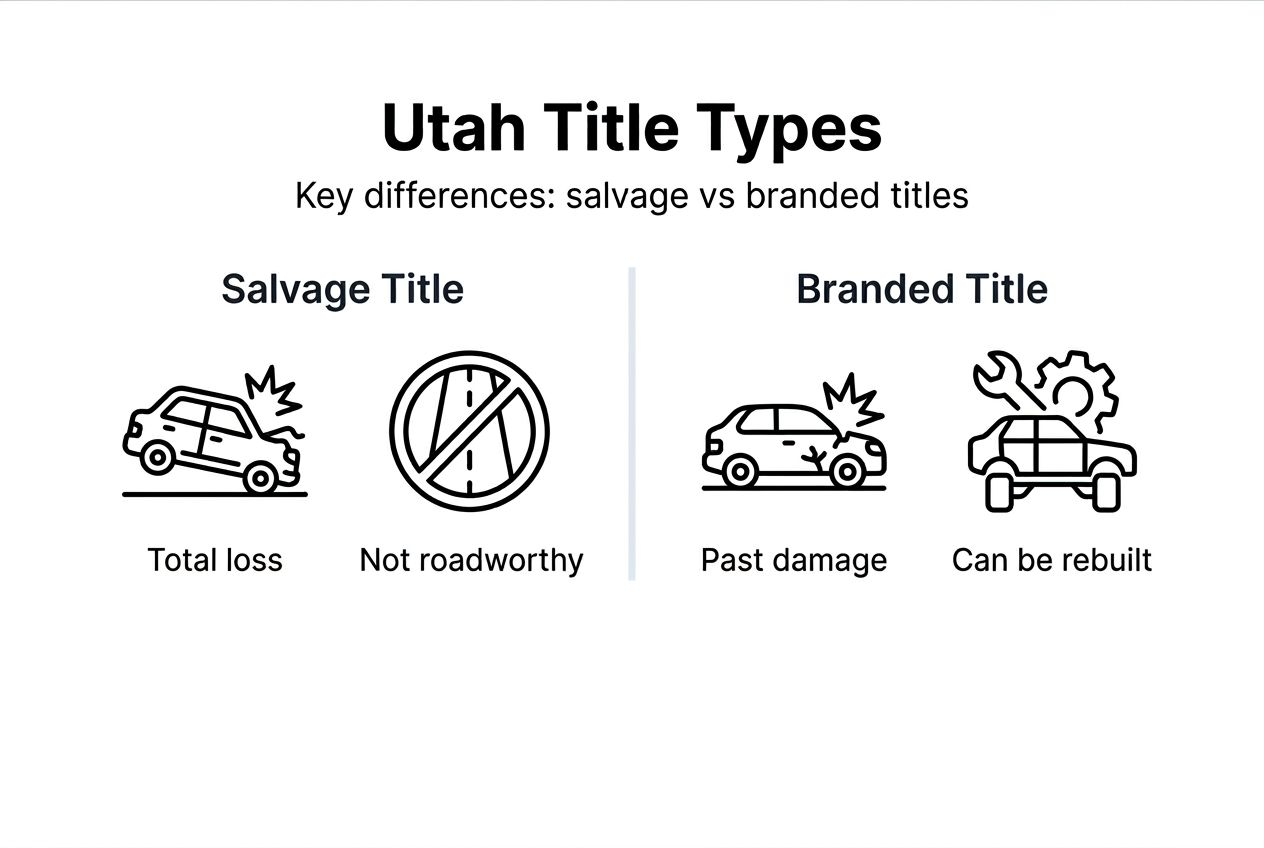
The permanent nature of branding ensures transparency across ownership changes. Once a vehicle receives a brand, it sticks. No amount of repairs or time will remove it. This protects you as a buyer because you’ll always know what happened, even if the car changes hands five times.
Utah buyers should pay special attention to rebuilt designations. These vehicles have met state inspection requirements and are fully legal to drive and insure. They offer budget-conscious shoppers significant savings without the legal headaches of non-road-worthy vehicles. Understanding branded vs rebuilt differences helps you evaluate each vehicle’s actual condition.
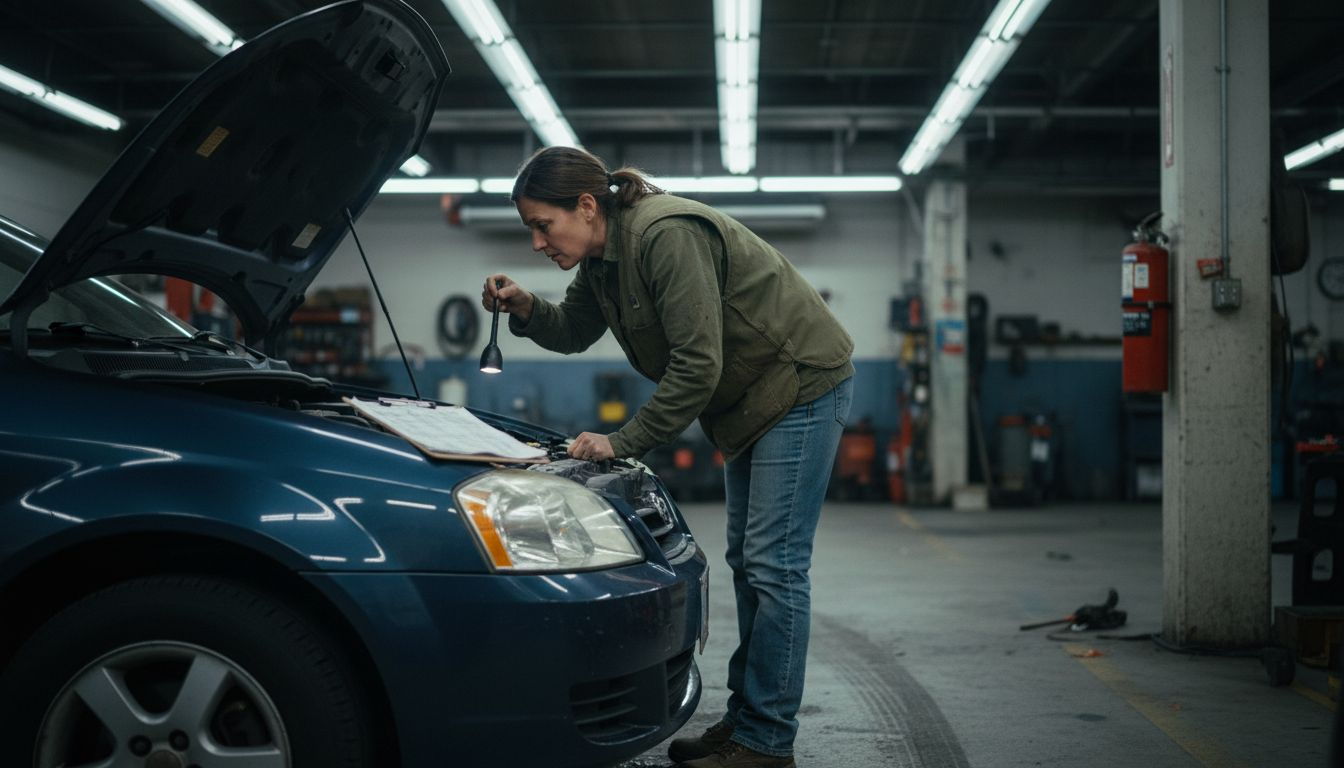
When assessing any branded vehicle, focus on the category and the repair quality. Some brands indicate minor issues while others signal serious problems. Do your homework. Read the vehicle history. Understand what the brand means before you commit. Explore how branded titles work in Utah.
Common misconceptions that confuse buyers
Let’s clear up some myths that cost people money. First, junk titles and other designations are not the same thing. A junk title signifies non-rebuildable status, meaning the vehicle cannot legally be driven or rebuilt. That’s a crucial difference.
Second, rebuilt cars can absolutely be insured. This myth causes unnecessary worry. Most major insurance providers cover rebuilt vehicles after they pass state inspections. Yes, the market value may be lower, which affects claim payouts. But getting coverage? Not the nightmare people claim.
Here are the facts about rebuilt vehicle insurance:
- Coverage is widely available after state inspection approval
- Premiums may be comparable to clean title vehicles of similar age and model
- Claim payouts reflect the reduced market value of rebuilt vehicles
- Some insurers specialize in rebuilt vehicles and offer competitive rates
Third, rebuilt brands are permanent and cannot be removed. Title washing is a fraudulent practice where scammers transfer titles across states to hide brands, misleading buyers. Criminals exploit differences in state record-keeping to make branded vehicles appear clean. This is illegal and you can protect yourself.
Pro Tip: Always verify title history through official records and multiple sources before buying any used vehicle, especially if the price seems unusually low for the condition.
Another misconception? That all rebuilt vehicles are dangerous or poorly repaired. Quality varies widely. Some rebuilds are meticulous, performed by skilled technicians using OEM parts. Others cut corners. That’s exactly why transparency matters. You need to see repair documentation and pre-repair photos to judge for yourself.
Finally, buyers often think financing is impossible for rebuilt vehicles. While some lenders avoid them, others specialize in these loans. Your interest rate might be slightly higher, but options exist. Don’t assume you can’t finance before checking with multiple lenders. Bust more myths about rebuilt vehicles here.
Insurance, resale value, and safety considerations
Let’s talk money and safety. Insurance for rebuilt vehicles is available, but the payout structure differs from clean title cars. After passing state safety inspections, rebuilt vehicles qualify for standard liability, collision, and comprehensive coverage. The catch? Claim payouts reflect current market value, which is lower.
Resale value takes a hit with any branded title. Branded titles reduce resale values by 20-40% compared to clean title vehicles of identical make, model, and year. That discount works in your favor as a buyer. You save upfront. But when you sell later, expect lower offers.
Here’s a comparison of key factors:
| Factor | Total Loss (Pre-Inspection) | Rebuilt Title (Post-Inspection) |
|---|---|---|
| Insurance | Not available | Available after inspection |
| Registration | Cannot register | Legal to register and drive |
| Resale Value | Minimal to none | 20-40% below clean title |
| Safety Status | Unknown, not verified | Meets state minimum standards |
| Financing | Not available | Limited but possible |
Safety is where inspection requirements matter most. Post-repair rebuilt vehicles must meet minimum safety standards verified by state inspections. These inspections check critical systems like brakes, steering, airbags, and structural integrity. They’re not perfect, but they provide a baseline.
Buyer considerations come down to balancing savings versus perceived risks:
- Upfront savings can reach 50% compared to clean title equivalents
- Insurance claims may pay less if the vehicle is totaled again
- Financing options are more limited and may carry higher interest rates
- Future resale requires transparent disclosure to potential buyers
The key is managing expectations. Rebuilt vehicles offer real value for budget-conscious buyers willing to do their homework. They’re not inferior cars, they’re cars with history. That history is documented, inspected, and priced accordingly. Understand the full cost picture in Utah.
How ReVroom enhances transparency and buyer confidence
ReVroom takes a different approach to the rebuilt vehicle market. We exclude total loss vehicles that haven’t been inspected. Our marketplace focuses only on rebuilt title cars that meet Utah legal safety standards.
Every listing includes upfront history information, pre-repair photos, and vehicle condition disclosures. You see what the car looked like before repairs. You review documentation of the rebuild process. This transparency supports confident buying decisions without the usual guesswork.
Here’s what makes ReVroom different:
- No total loss vehicles without proper inspection clearance
- Detailed history information included in every listing at no extra cost
- Pre-repair photos show you exactly what happened to the vehicle
- Condition disclosures help you assess repair quality and current state
- Transparent pricing reflects actual market value without hidden markups
Buyers gain peace of mind knowing each vehicle has met Utah legal safety standards. We don’t hide history. We highlight it. That’s how you make informed decisions and avoid costly surprises down the road.
The average buyer spends $150 per vehicle on history reports and inspections when shopping traditional markets. ReVroom includes this information upfront. You save money and time while gaining the transparency you need to choose wisely. See how branded titles work on our platform.
Pro Tip: Use ReVroom’s detailed listings to compare vehicles side by side before visiting in person, saving yourself multiple trips and making more strategic buying decisions.
Our approach serves both buyers and sellers. Sellers reach serious buyers who understand rebuilt vehicles. Buyers find transparent deals without the typical friction. Everyone wins when information flows freely. Learn more about Utah rebuilt vs total loss distinctions.
Practical tips to verify and buy safely
Ready to shop? Follow these steps to protect yourself and find the right vehicle.
Step 1: Check NMVTIS and official vehicle history reports for accurate title branding. This federal database provides standardized information across states, helping you confirm what sellers tell you.
Step 2: Confirm designations and review inspection and repair histories. Look for documentation showing the vehicle passed state requirements. Ask sellers for repair receipts and photos.
Step 3: Understand Utah’s rebuilt vehicle registration and inspection requirements. Each state has different rules. Know what Utah requires before you buy.
Step 4: Conduct physical vehicle inspection and consider trusted third-party expert review. Don’t skip this step. Even with transparency, you want eyes on the actual car.
Step 5: Complete proper documentation and title transfer to comply fully with Utah’s rebuilt title legal requirements. Sloppy paperwork causes headaches later.
Additional tips to avoid title washing scams and ensure transparent purchases:
- Compare VIN records across multiple databases to catch discrepancies
- Be wary of out-of-state vehicles with limited documentation
- Request original repair invoices and parts receipts
- Verify the inspector’s credentials and state licensing
- Walk away from deals where sellers resist providing documentation
- Trust your gut if something feels off about the vehicle or seller
Due diligence takes time but prevents costly mistakes. Rebuilt vehicles offer tremendous value when you verify everything properly. Rush the process and you risk buying someone else’s problem. Take your time. Ask questions. Demand transparency. The right deal will wait for you.
Explore transparent rebuilt title cars on ReVroom
You’ve got the knowledge. Now put it to work. ReVroom specializes in rebuilt title cars with full disclosure of history and repair information. We exclude vehicles that haven’t met state inspection requirements, so you shop with confidence from the start.
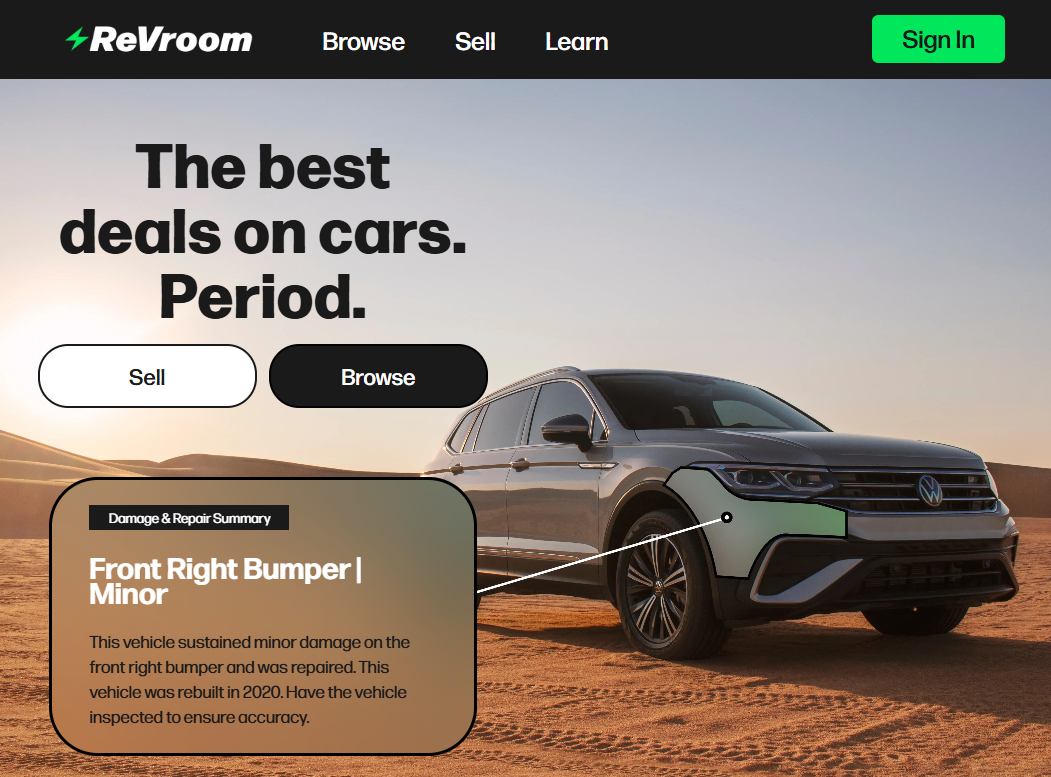
Our platform offers competitive pricing that helps budget-conscious Utah buyers maximize value without sacrificing transparency. Every listing includes the information you need to assess condition, verify safety, and make smart decisions. No hidden fees. No surprise histories. Just honest cars with documented pasts ready for new adventures.
Start exploring ReVroom’s current listings today. Find your next reliable vehicle at a price that actually fits your budget. Your dollars go further here, and so do your cars.
Frequently asked questions
What is the difference between total loss and branded title designations?
Total loss means an insurance company declared the vehicle uneconomical to repair before any work was done. Branded titles include multiple categories like rebuilt, flood, or lemon law buybacks, each indicating specific vehicle history. Rebuilt specifically means the vehicle was repaired and passed state inspection.
Can I get insurance for a rebuilt title vehicle in Utah?
Yes, most major insurance providers offer coverage for rebuilt title vehicles after they pass state safety inspections. Premiums may be similar to clean title vehicles, but claim payouts reflect the reduced market value. Shop multiple insurers for the best rates.
How much value do rebuilt title vehicles lose compared to clean titles?
Rebuilt title vehicles typically sell for 20-40% less than comparable clean title vehicles. This discount benefits buyers looking for affordable transportation. When you sell later, expect offers to reflect this same discount.
What is title washing and how do I avoid it?
Title washing is fraud where criminals transfer titles across states to hide branding and make vehicles appear clean. Protect yourself by verifying title history through NMVTIS and multiple sources, especially for out-of-state vehicles with suspiciously low prices.
Does ReVroom sell vehicles that haven’t passed state inspection?
No, ReVroom only lists rebuilt title vehicles that meet state legal safety standards. We exclude total loss vehicles that haven’t been properly inspected and cleared for road use. Every vehicle in our marketplace is legally drivable and insurable.
