


Find the best used cars: top picks for budget and reliability
May 3, 2026
TL;DR:
- Rebuilt title vehicles can offer 20-50% savings if thoroughly vetted.
- Verify full vehicle history, repair documentation, and check VIN through trusted sources.
- Consider safety, resale, insurance, and financing factors before purchasing a rebuilt title car.
Shopping for a used car feels like a treasure hunt where half the map is missing. You want something reliable, something that won’t eat your paycheck on repairs, and something you can actually trust on the highway. Rebuilt title vehicles sit right at the center of that search for a lot of smart buyers. They carry up to 50% off the clean title price tag, which is the kind of savings that gets your attention fast. But buying smart means knowing what to look for, where to shop, and how to protect yourself before you hand over a single dollar.
Table of Contents
- How to spot the safest and best used cars: key criteria
- Top 5 places to buy the best used cars for savings and transparency
- Comparison table: rebuilt vs. certified pre-owned and private party options
- Must-know insurance, financing, and resale realities
- The inconvenient truth: when budget used car deals aren’t worth the risk
- Ready to shop smarter for your next car?
- Frequently asked questions
Key Takeaways
| Point | Details |
|---|---|
| Documentation is critical | Always verify full accident history, repair receipts, and inspection records before purchasing any used car. |
| Rebuilt titles offer savings | Rebuilt title cars can be 20-40 percent cheaper but require extra due diligence for safety. |
| Not all sources are equal | Manufacturer Certified Pre-Owned programs and reputable platforms offer more transparency and reliability. |
| Insurance and finance hurdles | Expect higher insurance premiums, limited financing, and lower resale value with rebuilt title vehicles. |
| Safety over savings | Avoid flood or major frame-damaged cars, and get a trusted mechanic’s inspection before committing. |
How to spot the safest and best used cars: key criteria
Not all used cars are equal. And not all rebuilt title vehicles are equal either. The difference between a great buy and a regrettable one often comes down to paperwork, vehicle history, and the type of past event that led to the rebuilt designation in the first place.
The first thing to understand is that a rebuilt title is not a scarlet letter. It simply means the vehicle was once declared a total loss by an insurance company and has since been professionally repaired and inspected to meet state road standards. Think of it like perusing the clearance section at a quality retailer. The goods are real. The value is genuine. You just need to know which rack to dig through.
Here is what to look for when evaluating any used or rebuilt title car:
- Full vehicle history documentation: Demand repair receipts, before and after photos, OEM (original equipment manufacturer) parts invoices, alignment printouts, and state inspection records. As noted by automotive experts, you should require full documentation including repair receipts, before/after photos, OEM parts invoices, alignment printouts, and state inspection records before committing to any rebuilt title purchase.
- Type of past vehicle event: Hail damage repairs and theft recovery tend to be cleaner histories. Flood and structural frame events are the ones that warrant serious caution or a full pass.
- Consistent paperwork across state lines: If the title history jumps through multiple states in a short period, that is worth investigating before you go further.
- Verification through history tools: Cross-check the VIN (vehicle identification number) using NMVTIS (National Motor Vehicle Title Information System) and online service history tools to confirm what the seller is telling you matches what the records show.
Understanding the full picture of rebuilt title car risks before you shop is a smart first move. Not every history is a red flag, but knowing the difference between a minor cosmetic repair and a flood event could literally save you thousands down the road.
“Prioritize safety, not just price. A lower sticker does not automatically mean a better deal if hidden repairs compound over time.” This is the core principle Consumer Reports recommends for any used car purchase, and it applies doubly here.
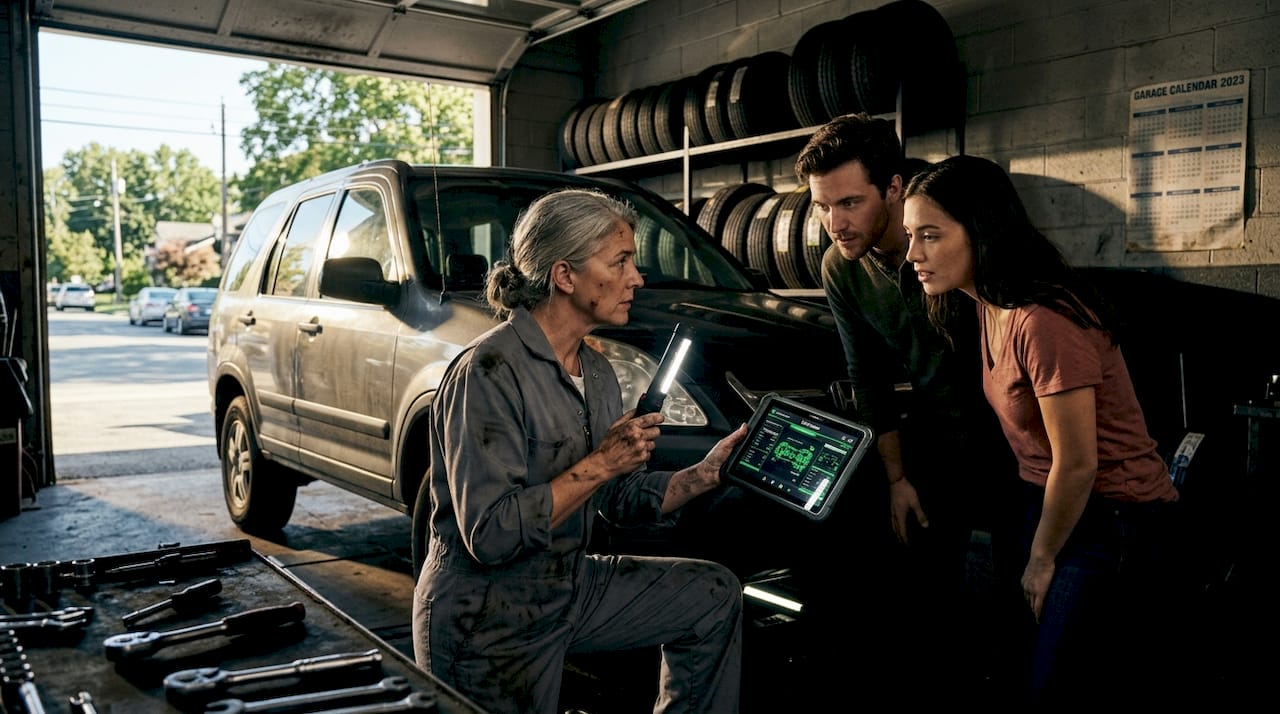
Pro Tip: Before any rebuilt title test drive, bring a trusted independent mechanic with you. A pre-purchase inspection (PPI) typically costs between $100 and $200 and can reveal issues no online report will catch. Think of it as your co-pilot on this particular road trip.
Top 5 places to buy the best used cars for savings and transparency
Armed with criteria, let’s look at exactly where to shop. Here are the top sources that help you buy with confidence, whether you are eyeing a rebuilt title vehicle or exploring other used car options.
-
ReVroom.org: The only online marketplace built specifically for rebuilt title vehicles. Every listing includes vehicle history information and photos of what the car looked like before repairs, so you are never flying blind. You get transparency baked right into the buying experience, which is rare and genuinely valuable.
-
Cars.com: A broad general marketplace that aggregates listings from dealers and private sellers. Their search filters allow you to sort by title type, price range, and vehicle history. Always request a full PPI before purchase through this platform. Platforms like Cars.com and Carvana provide transparent listings and buyer protections, though a PPI remains essential.
-
Carvana: Carvana offers a 7-day and 400-mile return window, which takes some of the anxiety out of an online purchase. Their vehicle history reports are upfront, and they specialize in making remote buying feel safer. Just know their pricing often reflects a convenience premium.
-
Manufacturer Certified Pre-Owned (CPO) Programs: If a rebuilt title is not the right fit for your situation, a CPO vehicle is the next best value tier. These programs include multi-point inspections, extended warranties, and roadside assistance. CPO vehicles statistically have 15% fewer problems than non-certified used cars, which is a meaningful difference when you are budgeting for the long haul.
-
Private party listings (Facebook Marketplace, Craigslist): These can surface real gems. Private sellers often price below market because they are motivated to sell quickly. The trade-off is zero protection. No return window, no warranty, no guaranteed history. Vet everything independently and never skip the mechanic.
Pro Tip: Only seriously consider listings that include full vehicle history and clear repair documentation. If a seller cannot or will not produce these, that hesitation is your answer. Walk away, and keep looking. The right car with the right paper trail is out there.
Understanding the benefits of rebuilt title cars helps you evaluate these platforms from an informed position rather than a fearful one. Transparency is the single biggest factor that separates a smart rebuilt title buy from a gamble.
Comparison table: rebuilt vs. certified pre-owned and private party options
After exploring where to buy, it helps to see the side-by-side differences. Here is how rebuilt title, CPO, and private party deals really stack up across the factors that matter most.
| Factor | Rebuilt title | Certified pre-owned (CPO) | Private party |
|---|---|---|---|
| Price | 20 to 40% below clean title | 10 to 20% below new | Often lowest sticker price |
| Typical risks | Varies by vehicle history | Minimal, well-inspected | Unknown, no guarantee |
| Warranty | None (marketplace purchase) | Extended manufacturer warranty | None |
| Insurance access | Available from most providers | Standard, straightforward | Standard, straightforward |
| Financing | Limited; cash often preferred | Easy approval, low rates | Harder to finance |
| Resale value | Lower than clean title | Moderate, retains value better | Varies widely |
| Transparency | High (with right platform) | High (manufacturer backed) | Low to moderate |
The savings are real. Rebuilt title vehicles offer 20 to 40% discounts compared to clean title equivalents, making them a powerful option for budget buyers who do their homework. Meanwhile, CPO programs deliver the highest reliability with manufacturer warranties and statistically fewer post-purchase problems.
Here is a quick breakdown of pros and cons for each path:
Rebuilt title vehicles:
- Pros: Significant savings, professionally repaired, state-inspected
- Cons: Lower resale value, limited financing options, requires more buyer due diligence
Certified pre-owned:
- Pros: Warranty coverage, thoroughly inspected, easier to finance and insure
- Cons: Higher price than rebuilt, still a used vehicle
Private party:
- Pros: Potentially lowest price, direct negotiation with seller
- Cons: No protections, unknown history risks, harder to verify repairs
One thing budget buyers sometimes overlook is hidden costs. Lower sticker prices can mask expenses like higher insurance premiums, out-of-pocket repair needs, or reduced financing terms. Always factor in the total cost of ownership, not just the number on the listing. For a deeper look at what you are getting into, rebuilt titles explained walks through the full picture clearly. And if you want a balanced take, the rebuilt car cons guide covers the trade-offs honestly.
Must-know insurance, financing, and resale realities
Comparing your options is just part of the puzzle. Real success means understanding what happens after you buy.
Let’s be straight with you. Rebuilt title vehicles do come with some post-purchase realities that differ from standard used cars. Knowing them upfront means no surprises later.
Insurance: Most major insurers will cover rebuilt title vehicles. Some providers offer liability only (covering damage to others, not your own car) or apply slightly higher premiums based on the vehicle’s history. According to independent research, insurance challenges include harder access to comprehensive coverage, higher premiums with certain carriers, and restrictions on financing. That said, many insurers have no issue with rebuilt title cars, especially when vehicle history is clear and well-documented.
Financing: Traditional lenders can be cautious with rebuilt title vehicles. Credit unions and specialty lenders are more flexible, but the easiest rebuilt title deals are often cash purchases. If you are relying on financing, get your quotes sorted before you fall in love with a listing. Understanding financing rebuilt cars and insurance for rebuilt cars before you shop gives you real leverage.
Resale value: A rebuilt title car will typically sell for less than a clean title equivalent when you are ready to move on. That is a known trade-off for the savings upfront. Think of it like buying a discounted laptop that still runs perfectly. You got a great price going in, and you use it well. Just do not expect to resell at a premium.
“Cash buyers have a clear advantage in rebuilt title deals. Without financing constraints, they can negotiate faster and close on better vehicles before other buyers even get approved.”
Actions to take before committing to any rebuilt title purchase:
- Get an insurance quote using the VIN before you make an offer
- Check with at least two lenders about financing terms if you need a loan
- Run the VIN through NMVTIS for a full title history check
- Review rebuilt car resale value data for the specific make and model you are considering
- Budget for a PPI as a non-negotiable line item, not an optional extra
Pro Tip: Getting an insurance quote before purchase costs nothing and takes about ten minutes. It tells you exactly what you are working with before any money moves.
The inconvenient truth: when budget used car deals aren’t worth the risk
Here is something most buying guides skip over entirely. The advice to “always buy the cheapest reliable option” is not universally good advice. Even for seasoned budget buyers.
We have seen buyers chase a low price on a rebuilt title vehicle and land in a good situation. We have also seen buyers ignore red flags because the number looked too good to pass up. The difference between those two outcomes almost always comes down to the type of vehicle history and the quality of documentation.
Consumer Reports advises most buyers to approach rebuilt titles on a case-by-case basis, particularly recommending caution without a trusted mechanic’s sign-off. For hail damage or straightforward cosmetic repairs, the math can work beautifully in a buyer’s favor. For flood events or structural issues, the savings upfront rarely justify the costs that emerge over time.
Flood vehicles deserve special mention. Flood cars risk corrosion and electrical failures that appear months or years after purchase, and title-washing (re-titling a vehicle across states to obscure its history) is a real scam buyers should watch for by cross-checking NMVTIS.
Here is our honest take: a rebuilt title car with clean, verifiable paperwork, a solid pre-purchase inspection, and a history rooted in something like hail or a minor event can be one of the smartest used car purchases you make. But no deal is worth skipping the homework. The rebuilt car safety guide breaks this down with real clarity if you want the full picture.
The best budget car deal is not the one with the lowest price. It is the one where you know exactly what you are buying, you have verified it independently, and you feel genuinely confident driving it off the lot.
Ready to shop smarter for your next car?
You now have a real roadmap: the criteria to evaluate vehicles, the platforms worth your time, a clear comparison of your options, and an honest look at what comes after the purchase. That is more than most buyers bring to the table.
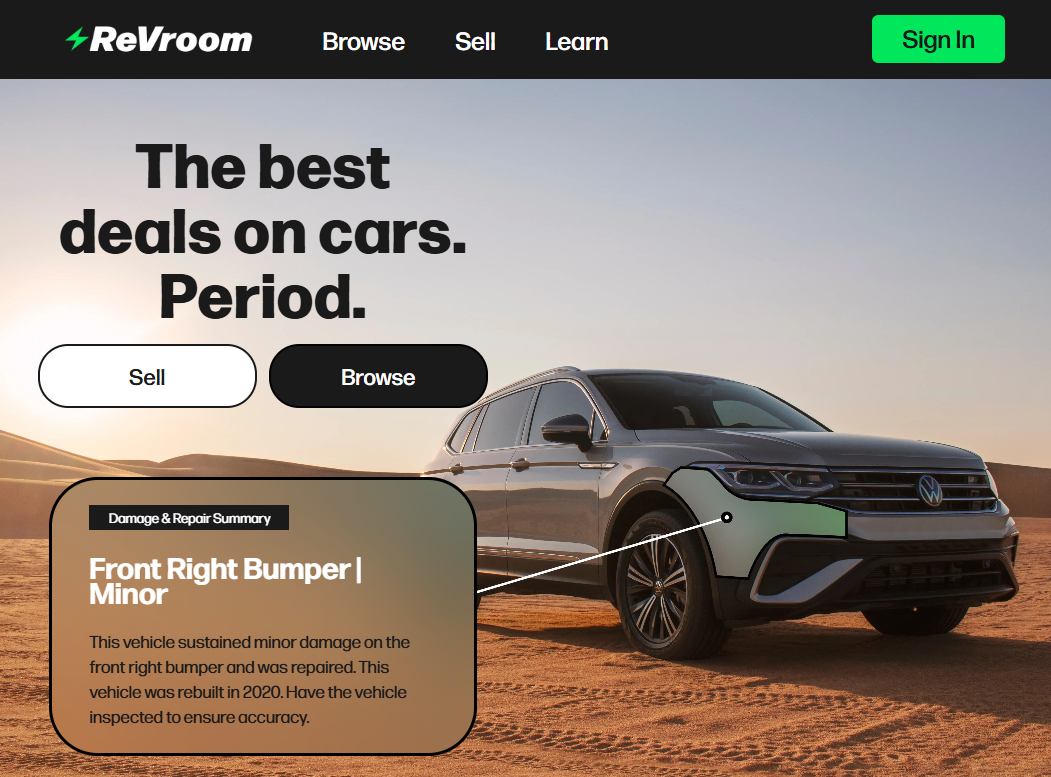
ReVroom was built exactly for moments like this. Every listing on ReVroom.org includes vehicle history information and before-repair photos so you can see what you are getting into without paying for a stack of separate reports. No guesswork. No costly vetting fees averaging $150 per vehicle. Just transparent listings built to help you find the right car faster. Browse current listings and put your budget to work on a vehicle that has been through it and come out better for it.
Frequently asked questions
What are the safest types of rebuilt title vehicles to consider?
Hail damage repairs, theft recovery, and minor cosmetic repairs are generally the safest histories to consider; safer rebuilt cases include these categories, while flood and frame or structural events warrant much greater caution or a pass.
How much can I save buying a rebuilt title car?
Rebuilt title vehicles typically offer 20 to 40% discounts versus clean title equivalents, with some vehicles priced even lower depending on the platform and seller.
How do I check if a used car’s accident history is legitimate?
Verify history with NMVTIS and Carfax or AutoCheck, and always demand physical repair documentation and state inspection records directly from the seller.
Can I get a loan or full insurance on a rebuilt title car?
Insurance and financing can come with more restrictions on rebuilt title vehicles, including liability-only coverage from some carriers and limited lender participation, making cash purchases the smoothest path when possible.
What is the best way to avoid rebuilt title scams?
Cross-check the VIN via NMVTIS to catch title-washing, verify all documentation thoroughly, and be especially cautious about vehicles with flood histories or titles that have moved through multiple states in a short timeframe.
Recommended
- Most reliable rebuilt cars: budget-friendly picks and guide
- Top rebuildable cars for budget buyers: reliable picks
- Most Reliable Used Cars 2025 – Expert Comparison | ReVroom
- Best rebuilt cars to buy for reliability and value | ReVroom
- Najbolji polovni auto 4.000-6.000 KM - vodič za kupce (2026) | Auto Gas Gaga
